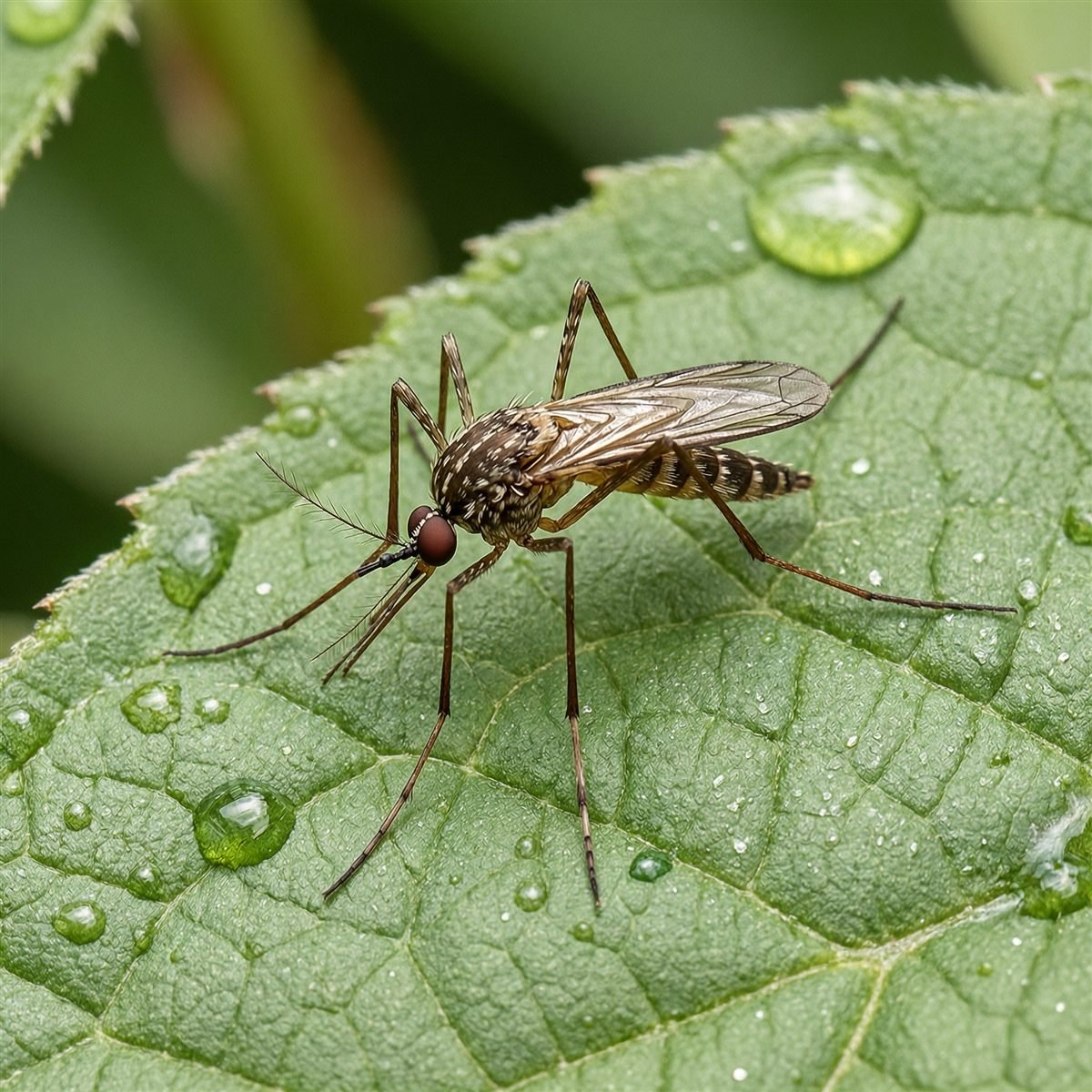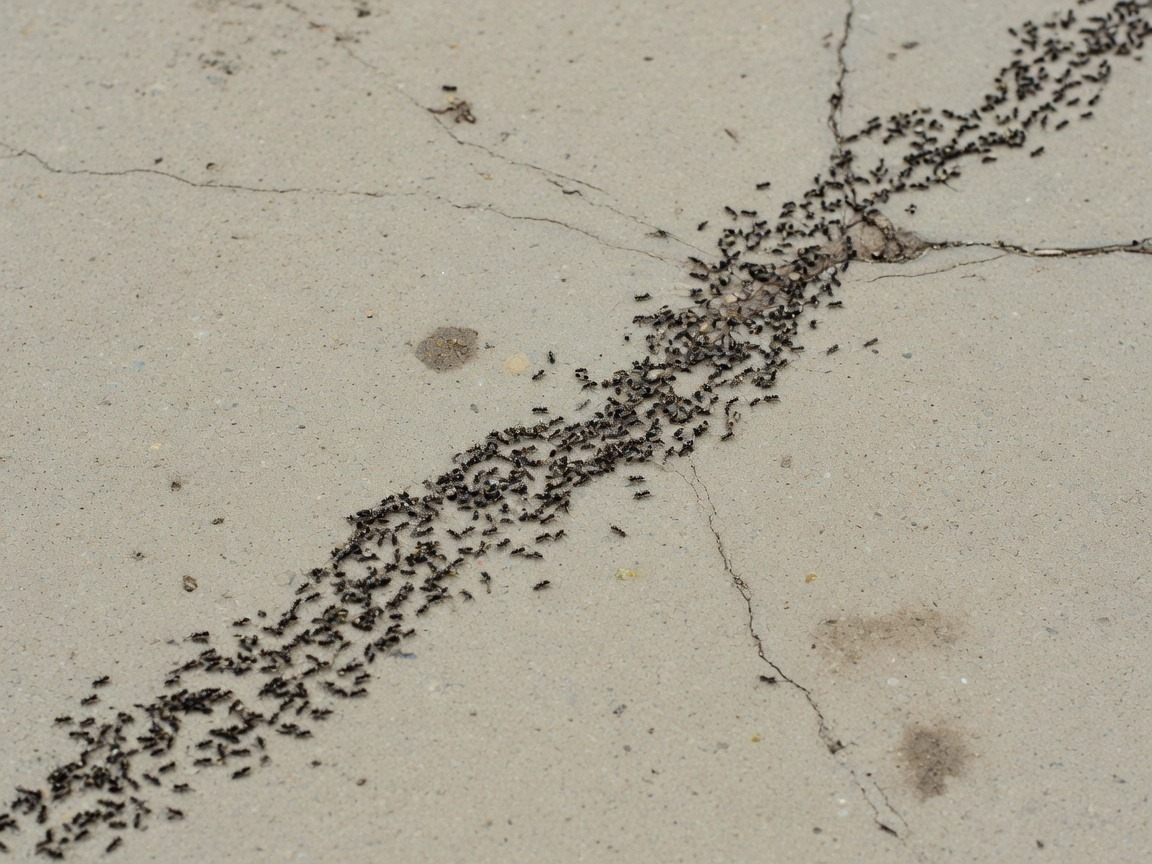
It's a pattern every Dallas homeowner notices eventually: it rains, and within a day there's an ant trail across the kitchen counter or a line marching along the baseboard. It's not your imagination, and it's not because your house is dirty — it's basic ant survival. Here's what's happening and how to stop the post-rain invasion.
Why rain drives ants indoors
Two things happen when heavy rain hits North Texas. First, flooding: many ants nest in the soil, and when the ground saturates, their colonies flood. They respond by moving to higher, drier ground — which often means the foundation, walls and interior of your home. Second, after the rain passes and things dry out, ants come inside seeking the opposite problem — food and stable conditions when their outdoor food sources have been washed away or disrupted. Either way, your climate-controlled house with crumbs and moisture is exactly what they're looking for.
Which ants do this in Dallas?
Several species surge indoors after rain. Odorous house ants (they smell faintly of rotten coconut when crushed) are classic post-rain invaders forming trails to kitchen food. Argentine ants form massive colonies and huge trails. Fire ants push up fresh mounds and even form floating rafts to survive flooding, spreading to new parts of the yard. Rover ants and others also spike. Different species, same trigger — and the same basic solution.
Why spraying the trail doesn't work
When you spray a visible trail, you kill the scouts you can see, but the colony — and its egg-laying queen — is untouched, and some species respond to sprays by “budding” into multiple colonies, making it worse. The trail comes back within days. Effective control uses non-repellent products and baits that foraging ants carry back to the nest, reaching the queen. See ant control.
How to keep ants out after rain
- Seal entry points — ants exploit tiny gaps around windows, doors, pipes and the foundation. Caulk and weatherstripping help.
- Remove the food — wipe counters, store food (and pet food) sealed, take out the trash, and don't leave dishes overnight.
- Manage moisture — fix leaks and reduce standing water around the foundation, which draws them in.
- Trim vegetation back from the house — branches and shrubs touching the wall are ant bridges.
- Maintain an exterior barrier — a treated perimeter stops ants before they reach the door, which is why a quarterly plan shines during our wet spring and stormy summers.
The seasonal pattern
Post-rain ant surges peak in Dallas's wet spring and after summer downpours, then again as fall weather shifts. Because the trigger is weather, not a one-time event, the homes that stay ant-free are the ones with a standing exterior barrier that's ready when the rain comes — the same logic behind our whole DFW seasonal approach.
Quick answers
Why do ants suddenly appear after it rains?
Rain floods their soil nests, pushing them to higher, drier ground — often your home — and disrupts their outdoor food, drawing them inside.
Does killing the ants I see solve it?
No — the colony and queen remain. Baiting that reaches the nest is what actually eliminates the colony rather than scattering it.
How do I stop ants coming back every time it rains?
Seal entry points, remove food and moisture, and maintain a treated exterior barrier so ants are stopped before they get in.
Fire ants are a special post-rain problem
One species deserves its own warning after rain: the red imported fire ant. When their mounds flood, fire ants don't just relocate — they link their bodies into floating rafts to ride out the water, then establish wherever they wash up, which is how a single flooding event spreads them across a yard. After heavy Dallas rain you'll often see a rash of fresh mounds appear overnight, and disturbing one brings a swarm of stinging ants. For families with kids and pets, this is the post-rain risk that matters most, and it needs a yard-wide baiting approach rather than treating mounds one at a time. See our fire ant guide for the full strategy.
Why a standing barrier beats reacting each time
Here's the pattern we see: homeowners fight ants reactively — spray the trail, wait for the next rain, spray again — and never get ahead of it, because the colonies outside are never actually reduced. The homes that stay ant-free through Dallas's wet spring and stormy summer are the ones with a maintained exterior barrier and active baiting already in place before the rain hits. When the ground floods and the ants push toward the house, they meet a treated perimeter instead of an open door. That's the whole logic behind a quarterly plan in our climate: it's not about reacting faster, it's about the invasion never getting started. See general pest control.
Ants marching in every time it storms? Book a free inspection and we'll bait the colony and set up a barrier that holds through the wet season.
Dealing with this in your Dallas home?
A free inspection identifies the pest, the entry points and an exact quote — no obligation.