Many people are surprised to learn scorpions live in the Dallas–Fort Worth area, but they do — and finding one in the house is unsettling. The good news: the scorpions here are far less dangerous than their desert-Southwest reputation suggests, and keeping them out comes down to a few practical exclusion steps. Here's what Dallas homeowners should know.
What scorpions are in the Dallas area?
The scorpion you're most likely to encounter in North Texas is the striped bark scorpion, the common species across most of Texas. It's small, tan to yellowish with two dark stripes down its back, and while its sting is painful — comparable to a bee or wasp sting — it is not considered medically dangerous to most healthy adults. (The genuinely dangerous Arizona bark scorpion is a Southwest desert species, not our local one.) That said, a sting hurts, reactions vary, and anyone with a known allergy, plus children and older adults, should take a sting more seriously and watch for an unusual reaction.
Why scorpions come indoors
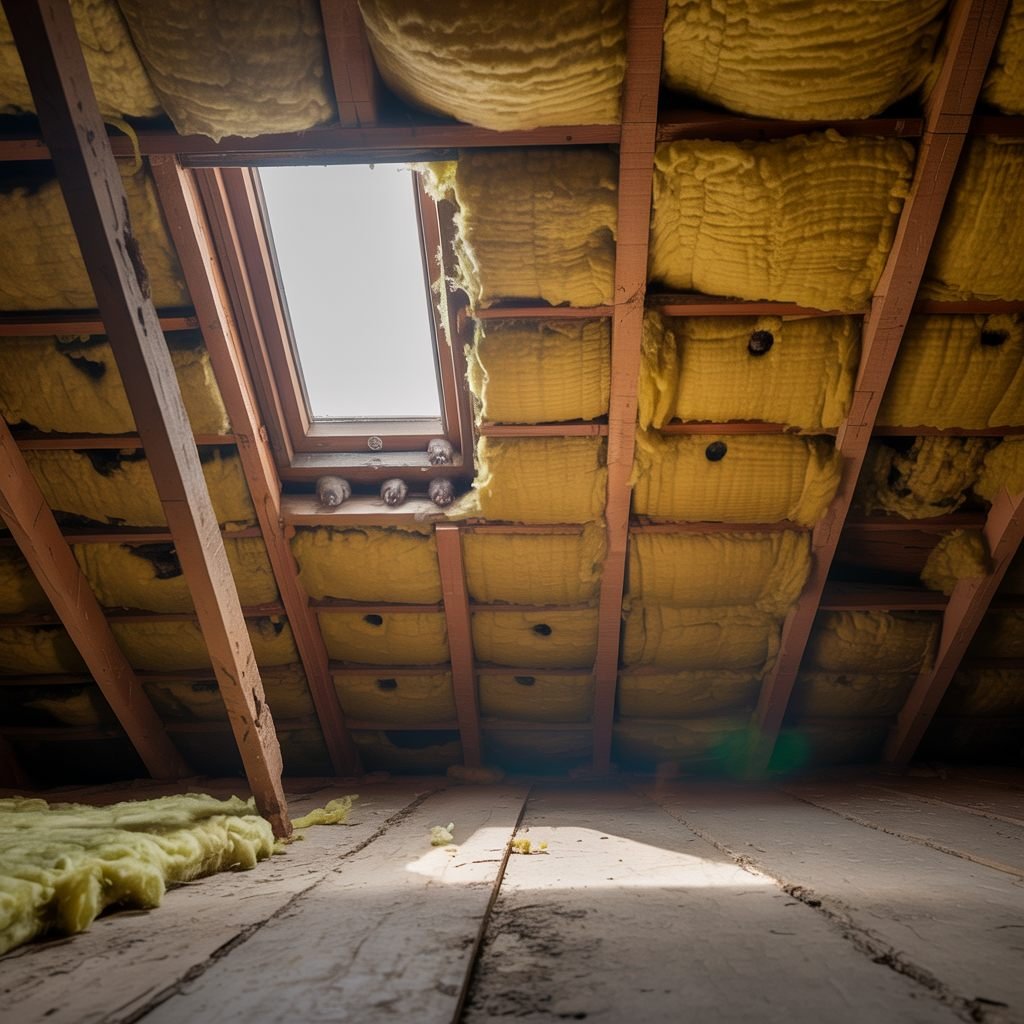
Scorpions are nocturnal hunters that follow two things into your home: prey and shelter. They eat insects — crickets, roaches, spiders and other bugs — so a home with an insect population is a stocked pantry for scorpions. They also seek cool, damp shelter during our hot months and warmth when it cools, squeezing through remarkably small gaps to get it. Indoors they hide in dark, undisturbed places: bathrooms, closets, garages, attics, under sinks, in shoes and stored items, and along baseboards. This prey connection is key — control the insects and you remove the main reason scorpions come inside in the first place.
How to keep scorpions out
- Seal entry points — scorpions get in through gaps under doors (add door sweeps), around windows and pipes, and through foundation and weep-hole cracks. Sealing these is the single most effective step.
- Control their food — reducing the insect population removes the reason scorpions hunt near your home. A general pest program does this directly.
- Clear harborage outside — move firewood, rocks, landscape timbers and debris away from the foundation, and keep mulch and clutter down where scorpions shelter.
- Reduce moisture — fix leaks and drainage that draw both scorpions and their prey.
- Shake out shoes, clothing and towels left in garages or on floors before use.
See general pest control — because controlling scorpions is largely about controlling what they eat.
A useful trick: the blacklight
Here's something many homeowners don't know: scorpions glow under ultraviolet light. A cheap UV/blacklight flashlight, used at night, makes them light up bright greenish-blue, which is a genuinely effective way to spot them in and around the house and confirm whether you have a real presence. It's also how professionals locate harborage during an inspection. If you're finding scorpions repeatedly, a nighttime blacklight sweep tells you quickly how big the issue is.
When to call a professional
An occasional scorpion is common and manageable with sealing and insect control. But if you're finding them regularly — especially indoors or in bedrooms — it's worth professional treatment that targets both the scorpions and the insect prey supporting them, plus a thorough look at entry points and harborage. For a sting that causes anything beyond localized pain, seek medical advice.
Quick answers
Are Dallas scorpions dangerous?
The local striped bark scorpion delivers a painful sting comparable to a bee's but isn't considered medically dangerous to most healthy adults. Allergic individuals, children and older adults should treat a sting more cautiously.
What attracts scorpions into a house?
Insects to eat and cool, dark shelter. A home with a bug population and small entry gaps is attractive — control the insects and seal the gaps and scorpions lose their reason to come in.
How do I find scorpions in my home?
Use a UV blacklight at night — scorpions glow, making them easy to spot along baseboards, in garages and outdoors. It's the fastest way to gauge whether you have a real presence.
Where scorpions hide in a Dallas home
Knowing their favorite hiding spots helps you check the right places and reduce encounters. Indoors, scorpions gravitate to bathrooms and laundry rooms (moisture), closets and shoes, garages and attics, and the undisturbed spaces under sinks, behind boxes and along baseboards. They can also climb, so upper floors and even ceilings aren't off-limits. Outdoors, they shelter under rocks, landscape timbers, woodpiles, patio pavers, and in block walls and irrigation boxes — then move toward the house as conditions or prey draw them in. Because they can flatten to squeeze through gaps as thin as a credit card, the same door sweeps, weatherstripping and crack-sealing that keep out insects are what keep out scorpions. Checking these harborage points with a nighttime blacklight sweep tells you fast whether you have an occasional visitor or a real presence worth treating.
Finding scorpions in the house? Book a free inspection and we'll seal them out and knock down the insects that draw them in.
Dealing with this in your Dallas home?
A free inspection identifies the pest, the entry points and an exact quote — no obligation.