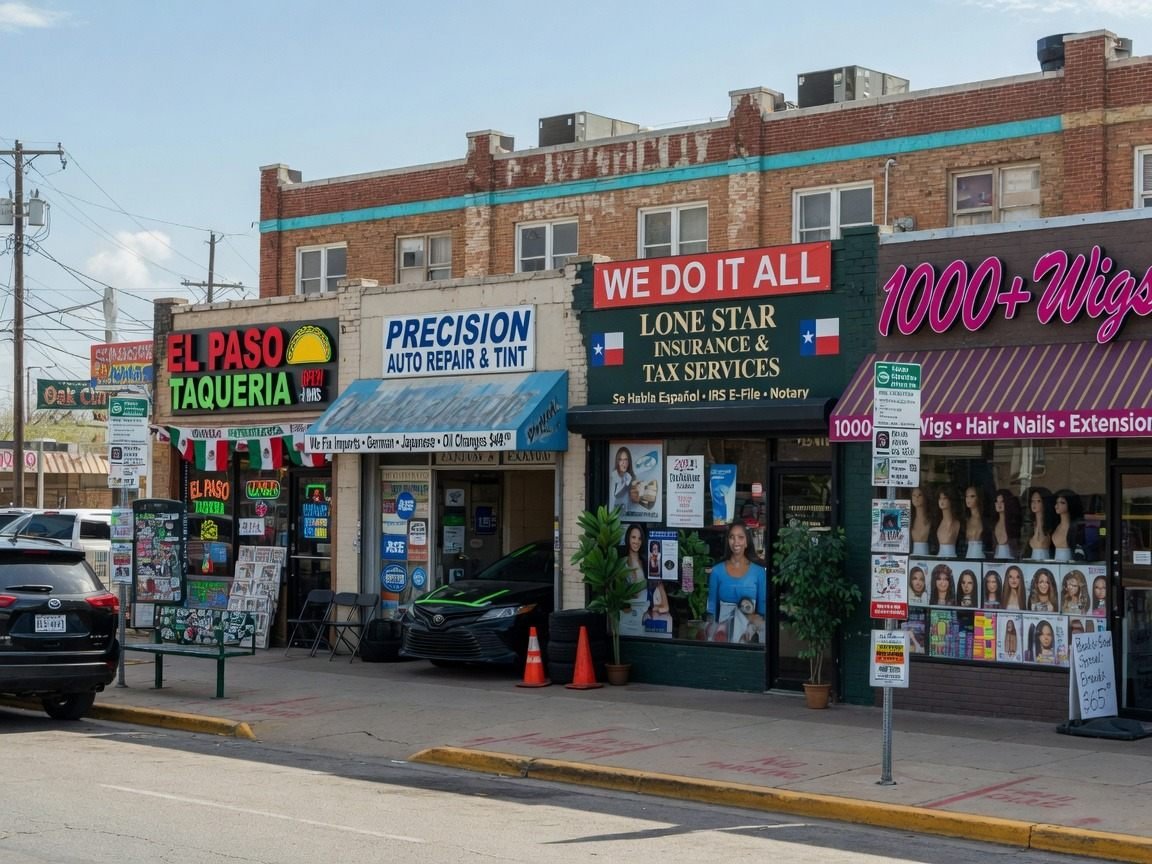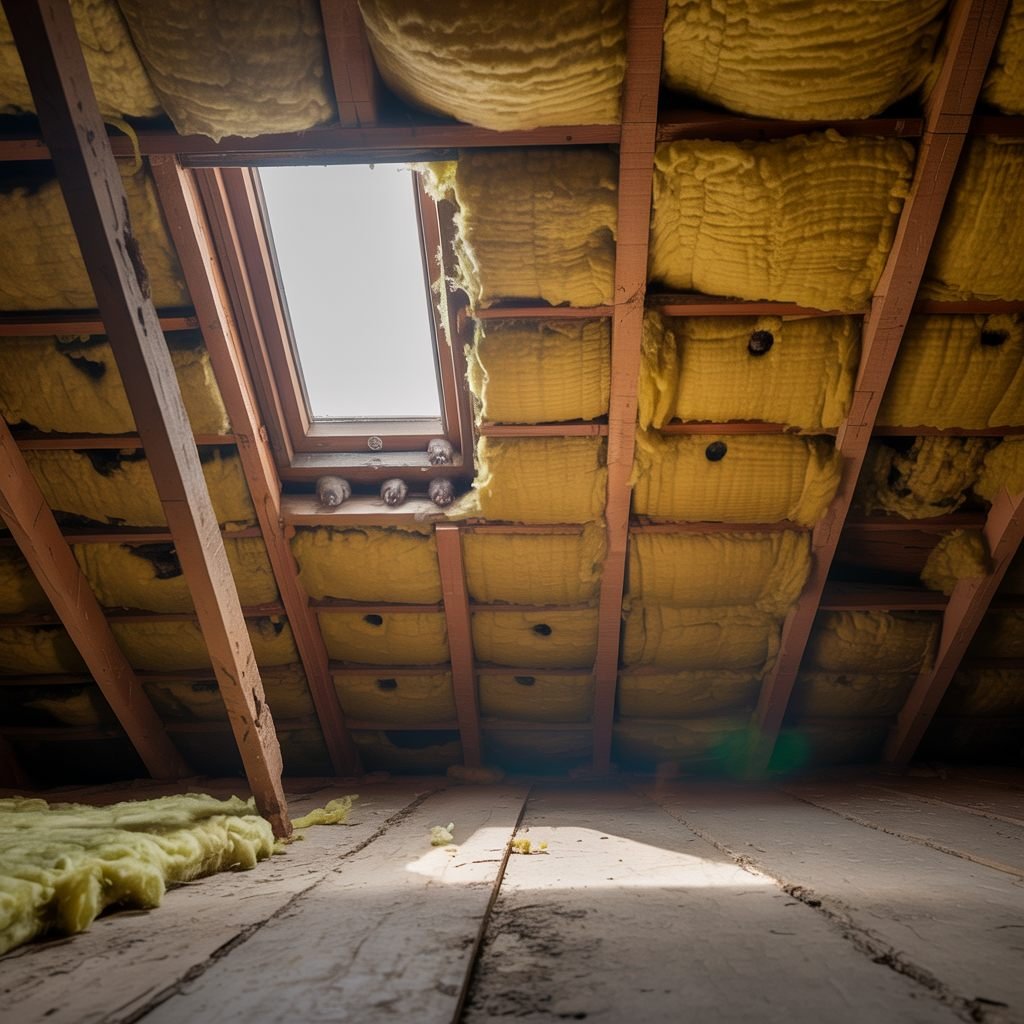
Pigeons and other nuisance birds roosting on a commercial building are more than an eyesore. For a Dallas business, they're a genuine problem — droppings that damage your building and deter customers, health and slip hazards, and blocked equipment. The good news is that effective, humane bird control is well-established. Here's what actually works and why DIY rarely does.
Why birds are a business problem, not just a nuisance
Bird droppings are acidic and corrode building materials, paint, signage, awnings and rooftop HVAC equipment over time — a real maintenance cost. They also carry health risks: droppings can harbor pathogens, and accumulated droppings on walkways create slip-and-fall liability. Nesting birds clog gutters and drains, and their debris and the insects it attracts (bird mites, beetles) create secondary pest problems. And there's the reputation cost — a storefront streaked with droppings and lined with roosting pigeons tells customers something about how the business is run. For food-service and retail especially, that image matters.
Why DIY bird control usually fails
Businesses often start with a plastic owl, a few spikes from the hardware store, or a shiny-tape deterrent — and pigeons quickly learn to ignore all of it. Pigeons are intelligent, adaptable and strongly loyal to established roosts, so half-measures just shift them a few feet over. Effective control requires matching the right exclusion method to the specific site and bird behavior, installed correctly and comprehensively — which is where professional work pays off.
Methods that actually work
- Exclusion netting — physically blocks birds from courtyards, loading docks, warehouse spaces, and under-canopy areas. The gold standard for keeping birds out of a defined space.
- Bird spikes — installed properly on ledges, signs, beams and parapets to deny landing surfaces.
- Ledge and slope systems — make flat roosting surfaces unusable.
- Wire and tensioned systems — subtle deterrents for ledges where appearance matters.
- Deterrent and habitat modification — removing food sources and nesting opportunities so the site stops being attractive in the first place.
See bird control. The right combination depends on your building, and it's done humanely — the goal is exclusion, keeping birds off and out, not harming them.
Cleanup and safety come first
An important part of the job is safe cleanup and sanitizing of accumulated droppings and nesting debris before exclusion goes in. Dried droppings shouldn't be dry-swept — they can aerosolize pathogens — so proper cleanup uses the right protective and disinfecting approach, the same principle behind our disinfecting services. Skipping this step leaves the health hazard and the staining in place even after the birds are gone.
Which Dallas businesses need it most
We see the biggest bird pressure at warehouses and distribution centers, retail centers and strip malls, restaurants and their patios, parking structures, food-processing and agricultural facilities, and any building with wide ledges, canopies or open rooflines. If pigeons have already established a roost on your property, the problem grows — they breed and their numbers climb — so addressing it sooner keeps both the cost and the mess smaller.
Quick answers
Is bird control humane?
Yes — professional bird control relies on exclusion (netting, spikes, deterrents) to keep birds off and out, not on harming them. The aim is to make your building an unwelcoming place to roost.
Why don't spikes or fake owls work for us?
Often they're the wrong method or poorly installed. Pigeons adapt quickly and are loyal to a roost, so control has to be comprehensive and matched to the site to actually move them on.
Do you clean up the droppings too?
Yes — safe cleanup and sanitizing of droppings and nesting debris is part of the job, both for health and to protect your building, and it's done before exclusion is installed.
Why acting early keeps costs down
Bird problems follow a predictable curve: a few pigeons scouting a ledge become a settled flock, the flock breeds, and what was a minor nuisance becomes an entrenched colony that's far harder and costlier to move. Established birds are strongly loyal to a roost, so the longer they've been there, the more comprehensive (and expensive) the exclusion needs to be — plus you've accumulated more droppings damage and cleanup along the way. Addressing birds when you first notice them settling in means simpler deterrents, less structural damage, and a smaller bill. For a business, it also means the storefront never gets to the streaked, off-putting state customers notice. Treating bird control as preventive maintenance rather than a crisis response is the cost-effective play — the same logic that applies to every pest, but especially true with a roost that only grows more committed over time.
Pigeons taking over your storefront, warehouse or rooftop? Request a free commercial assessment and we'll scope a humane exclusion plan for your building.
Dealing with this in your Dallas home?
A free inspection identifies the pest, the entry points and an exact quote — no obligation.