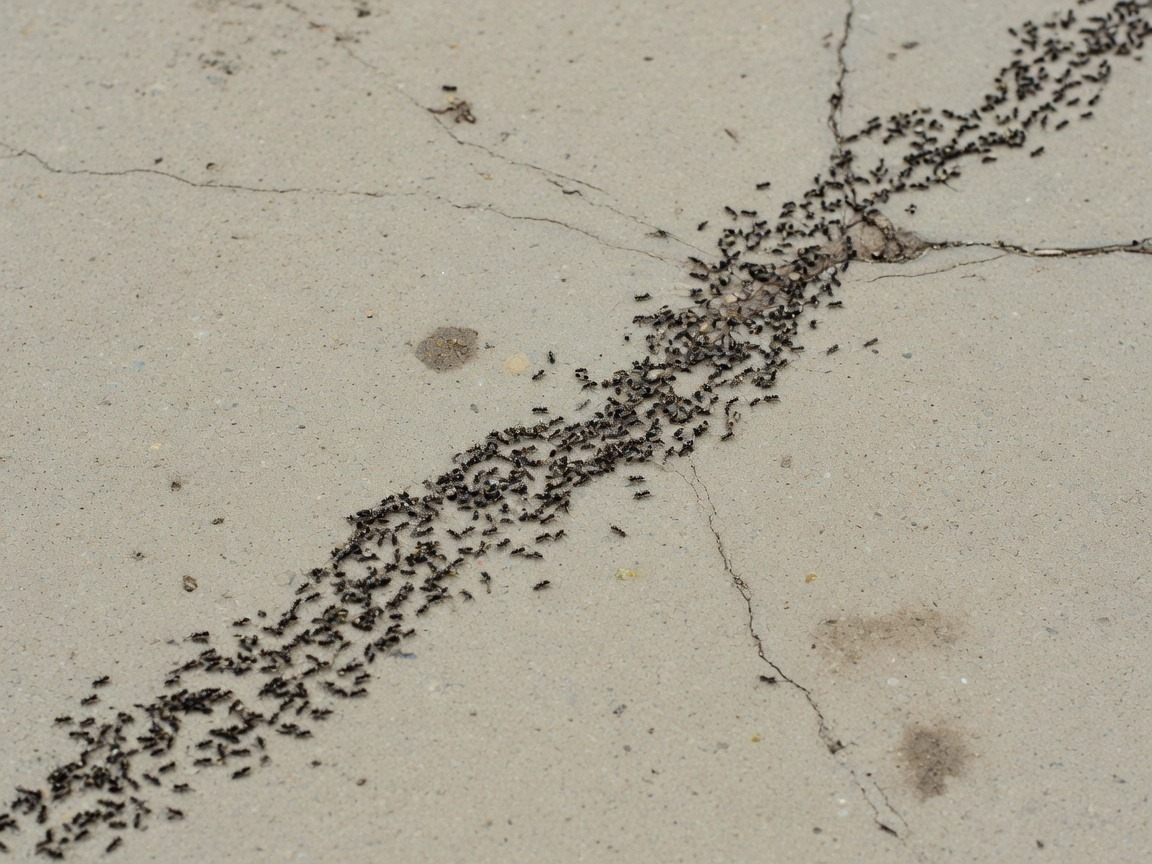
If you've lived through a Dallas autumn, you know the cricket invasion: the nights when field crickets swarm around doorways, gas stations and porch lights by the hundreds, chirping until no one can sleep. They don't bite or spread disease, but in those numbers they're genuinely disruptive — and they'll damage paper, fabric and stored goods. Here's why they show up and how to actually stop them.
Why does my house get so many crickets in fall?
North Texas sees big field cricket population surges in late summer and fall, driven by the region's weather cycles — a dry spell followed by rain is a classic trigger. Two things then concentrate those crickets on your property: lights and moisture. Crickets are powerfully drawn to light at night, which is why they pile up around illuminated entrances, garage doors and signage. And they seek damp, sheltered harborage during the day — mulch beds, tall grass, gaps around the foundation, and clutter against the house.
Why indoor spraying doesn't fix it
By the time crickets are inside, they've already crossed the barrier that matters. Spraying them indoors kills the ones you see but does nothing about the hundreds gathering outside your doors, ready to slip in through the next gap. Cricket control is fundamentally an exterior job — you stop them at the perimeter before they get in, not after.
The approach that actually works
Effective cricket control in Dallas combines treatment and a couple of simple changes:
- Exterior barrier treatment around the foundation, doorways and entry points where crickets gather and try to get in.
- Harborage treatment of the mulch, tall grass and damp zones around the building where they shelter by day.
- Lighting changes — switching exterior bulbs to yellow “bug” lights, which attract far fewer insects, or reducing light near entrances.
- Sealing and moisture — closing gaps around doors and utility lines, and pulling mulch and vegetation back from the foundation.
See our cricket control page for the full plan.
Timing is everything
Because the invasion is seasonal, the best results come from treating before and during the fall surge rather than reacting once crickets are inside. A recurring quarterly plan that keeps the exterior barrier fresh through the fall window is the difference between a quiet porch and sweeping crickets off your doorstep every night. It's the same seasonal logic behind our whole DFW seasonal pest calendar.
What you can do right now
- Switch porch and entry lights to yellow bulbs, or turn them off when you can.
- Seal gaps under and around doors (weatherstripping and door sweeps).
- Pull mulch, leaf litter and tall grass back from the foundation.
- Reduce moisture — fix drainage and leaks near the house.
Quick answers
Are crickets harmful?
Not to people or pets — they don't bite or sting. In numbers, though, they damage paper, fabric and stored items, and the noise is genuinely disruptive.
Why are crickets attracted to my porch light?
Crickets navigate toward light at night. Bright white entrance lighting is essentially a beacon; yellow “bug” bulbs attract far fewer.
How do I keep crickets out of the house?
Seal entry gaps, change exterior lighting, reduce moisture and harborage near the foundation, and treat the exterior barrier before fall.
Not all “crickets” are the same
Most of what invades Dallas doorways in fall are field crickets — the black or brown chirpers drawn to light. But two lookalikes cause their own headaches. Camel crickets (also called spider crickets) are humpbacked, wingless, don't chirp, and love damp, dark spaces — garages, basements, crawl spaces and bathrooms. They're startling because they jump toward you when disturbed, but they're harmless. House crickets can survive indoors longer and will chew fabric and paper. The exterior barrier approach works for all of them, but camel crickets especially point to a moisture problem — if you're finding them, it's worth checking for damp crawl spaces and drainage issues, the same conditions that draw silverfish and centipedes.
Are crickets a sign of a bigger problem?
Usually not a structural one, but a heavy cricket population can be a symptom of conditions that invite other pests — excess moisture, harborage against the foundation, and bright lighting that draws insects (which in turn draws the spiders that eat them). Crickets are also a food source for scorpions and spiders, so a big cricket season can quietly support those populations too. Treating the exterior and fixing the moisture and lighting doesn't just quiet the chirping — it makes your whole perimeter less attractive to the pests that follow crickets in.
Tired of the fall cricket parade? Book a free inspection and we'll build an exterior plan that stops them at the perimeter.
Dealing with this in your Dallas home?
A free inspection identifies the pest, the entry points and an exact quote — no obligation.