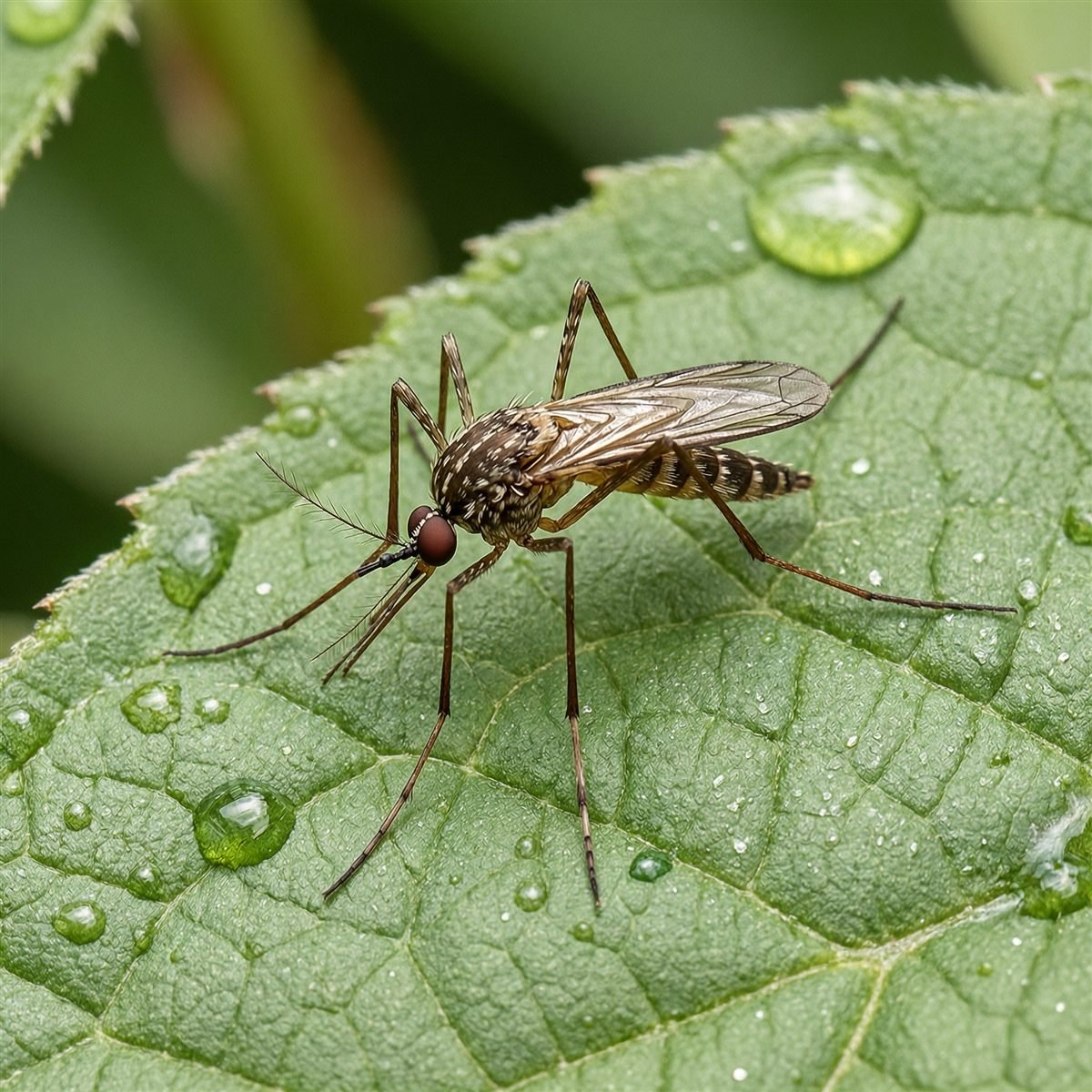
Dallas summers are long, hot and — after storms — wet, which makes for a mosquito season that stretches from spring into fall. And they're more than a backyard annoyance: several mosquito species in North Texas can transmit West Nile virus, which the area sees most years. The key to reclaiming your yard isn't spraying the mosquitoes you can see — it's targeting where they breed.
Why your yard breeds mosquitoes
Mosquitoes need only a tiny amount of standing water to breed — a bottle cap's worth is enough for some species. In a typical Dallas backyard the sources are everywhere and easy to miss: clogged gutters, plant saucers, bird baths, tarps, kids' toys, buckets, low spots that hold rain, and clogged drainage. The adults then rest during the day in shaded, humid vegetation — dense shrubs, tall grass and the shady side of the house.
The two-part fix
Spraying adult mosquitoes feels satisfying but is temporary — new ones emerge from breeding sites within days. Lasting control combines:
- Source reduction — finding and eliminating or treating the standing-water breeding sites around your property. This is what actually lowers the population.
- Barrier treatment — a targeted application to the shaded vegetation and resting areas where adults shelter, which knocks down the current population and suppresses new arrivals between visits.
For water that can't be drained — ornamental ponds, persistent low spots — larvicides stop mosquitoes before they reach the biting adult stage. See mosquito control.
What you can do this week (free)
- Walk your yard after rain and tip out anything holding water — saucers, buckets, toys, tarps, wheelbarrows.
- Clean your gutters — clogged gutters are one of the biggest hidden breeding sites.
- Change bird bath and pet bowl water every few days.
- Fix drainage so water doesn't pool, and treat or aerate ornamental ponds.
- Trim dense, shady vegetation where adults rest during the day.
These habits dramatically reduce how many mosquitoes any treatment has to handle.
When to start — and why a program beats one-offs
Mosquito pressure builds in spring, peaks through the hot, wet summer, and tapers in fall. A recurring seasonal program — typically monthly during peak months — keeps a yard usable rather than fighting a losing battle with citronella candles. One-time treatments are available ahead of outdoor events like weddings and parties. It's part of the same year-round approach in our DFW seasonal guide.
What about the bees?
Responsible mosquito control targets resting vegetation rather than blooming flowers and follows product-specific protocols to minimize impact on pollinators. Ask about eco-friendly options if that's a priority.
Quick answers
What smell keeps mosquitoes away?
Citronella and similar scents offer only brief, local relief. They don't reduce the breeding population, which is why they're not a real solution for a yard.
How long does a mosquito treatment last?
A barrier treatment typically suppresses mosquitoes for several weeks; monthly service through peak season keeps the yard usable.
Do mosquito misting systems work?
They can help, but without source reduction you're still breeding new mosquitoes. Targeting breeding sites is the foundation of real control.
Mosquitoes and disease in North Texas
Dallas County takes mosquitoes seriously for a reason: West Nile virus turns up in local mosquito samples most summers, and the region has seen human cases and county spraying in bad years. The main carrier here, the Culex mosquito, tends to bite around dusk and dawn and breeds in exactly the stagnant water — storm drains, neglected pools, clogged gutters — that a wet Dallas summer creates. That's why the county monitors traps and issues alerts, and why reducing standing water on your own property genuinely matters for public health, not just comfort. You can't control the storm drain down the street, but eliminating breeding sites in your own yard reduces the local population and your family's exposure.
Protecting yourself during peak season
Alongside yard treatment, a few habits cut your bite risk during the worst of the DFW season: wear EPA-registered repellent when you're out at dusk, drain standing water twice a week (mosquitoes can go egg-to-adult in about a week), make sure window and door screens are intact, and run fans on the patio — mosquitoes are weak fliers and struggle against moving air. None of this replaces reducing the breeding sites, but together with a barrier treatment it's the difference between an unusable yard and comfortable evenings outside. See mosquito control.
Want your backyard back this summer? Book a free inspection and we'll map the breeding sites and set up a seasonal plan.
Dealing with this in your Dallas home?
A free inspection identifies the pest, the entry points and an exact quote — no obligation.