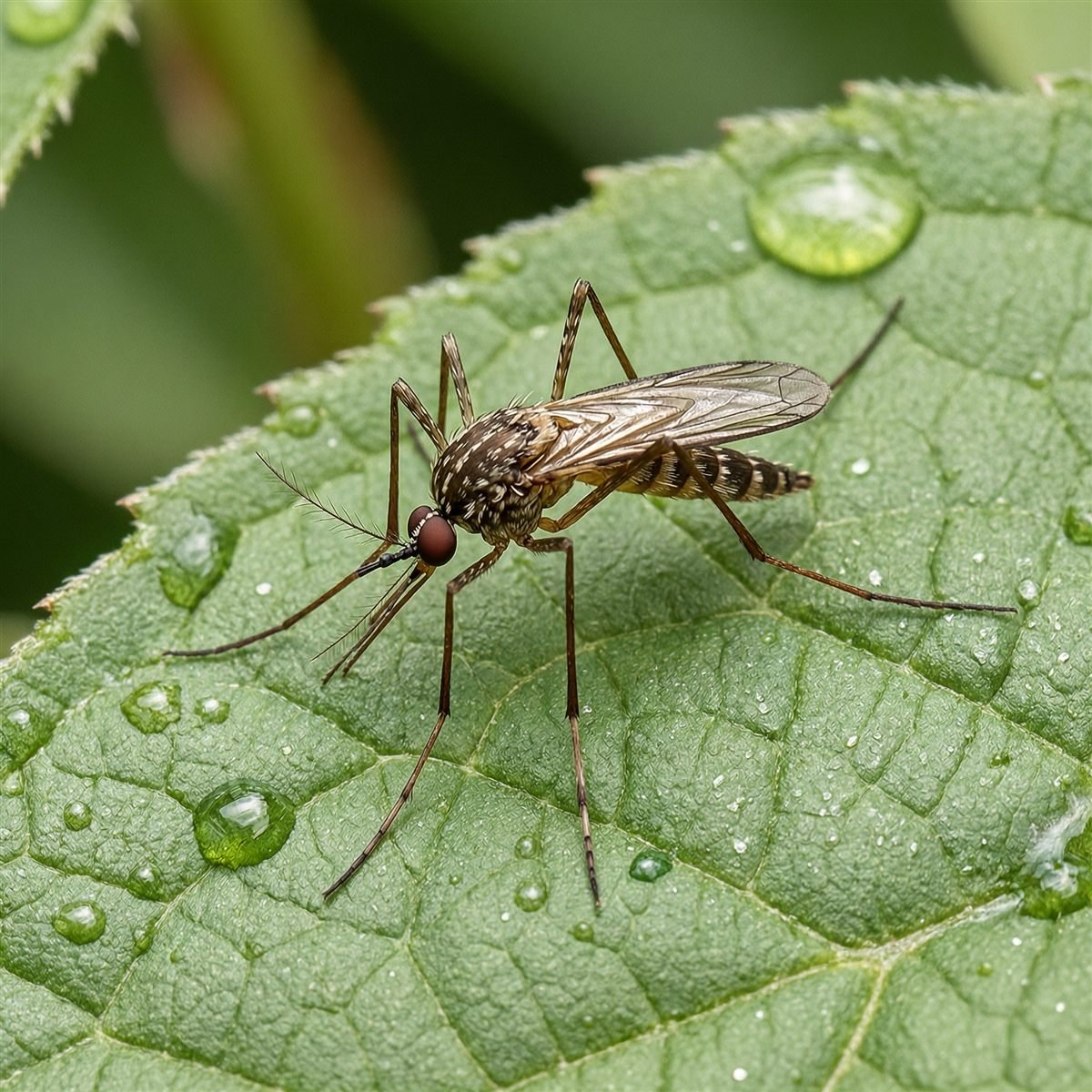
Dallas summers are long, hot and — after storms — wet, which makes for a mosquito season that stretches from spring well into fall. Mosquitoes here aren't just a backyard annoyance; several species can transmit disease, including West Nile virus, which North Texas sees most years. Effective control means targeting where they breed, not just spraying the adults you can see.
Why DFW yards breed so many
Mosquitoes need only a small amount of standing water to breed — a bottle cap's worth for some species. In a typical Dallas yard the sources are everywhere: clogged gutters, plant saucers, bird baths, tarps, toys, low spots that hold rain, and outdoor drainage. The adults then rest in shaded, humid vegetation during the day.
The two-part fix
- Source reduction — we identify and eliminate or treat standing-water breeding sites, and advise on the ones you can fix (gutters, saucers, drainage). This is what actually reduces the population.
- Barrier treatment — a targeted application to the shaded vegetation and resting areas where adults shelter, knocking down the current population and suppressing new arrivals between visits.
For breeding sites that can't be drained — ornamental ponds, persistent low spots — larvicides stop mosquitoes before they reach the biting adult stage.
Seasonal program
Mosquito pressure builds in spring, peaks through the hot, wet summer, and tapers in fall. A recurring seasonal program — typically monthly during peak months — keeps a yard usable rather than fighting a losing battle with citronella. One-time treatments are available ahead of outdoor events.
Pollinator-conscious
We target resting vegetation rather than blooming flowers and follow product-specific protocols to minimize impact on bees and butterflies. Ask about eco-friendly mosquito options. Book a free inspection and we'll map the breeding sources and quote a seasonal plan.
Ready for a free inspection?
Tell us what you're seeing. A licensed technician identifies the pest and entry points and quotes an exact price — no obligation.