Finding droppings is often the first hard evidence of a rodent problem, and they carry more information than you'd think — the size tells you the species, the amount tells you the scale, and the location tells you where they travel. But here's the part people get dangerously wrong: how you clean them up matters as much as cleaning them up at all. Let's cover both.
Identifying rodent droppings by size
| Dropping | Size & shape | Where you'll find them |
|---|---|---|
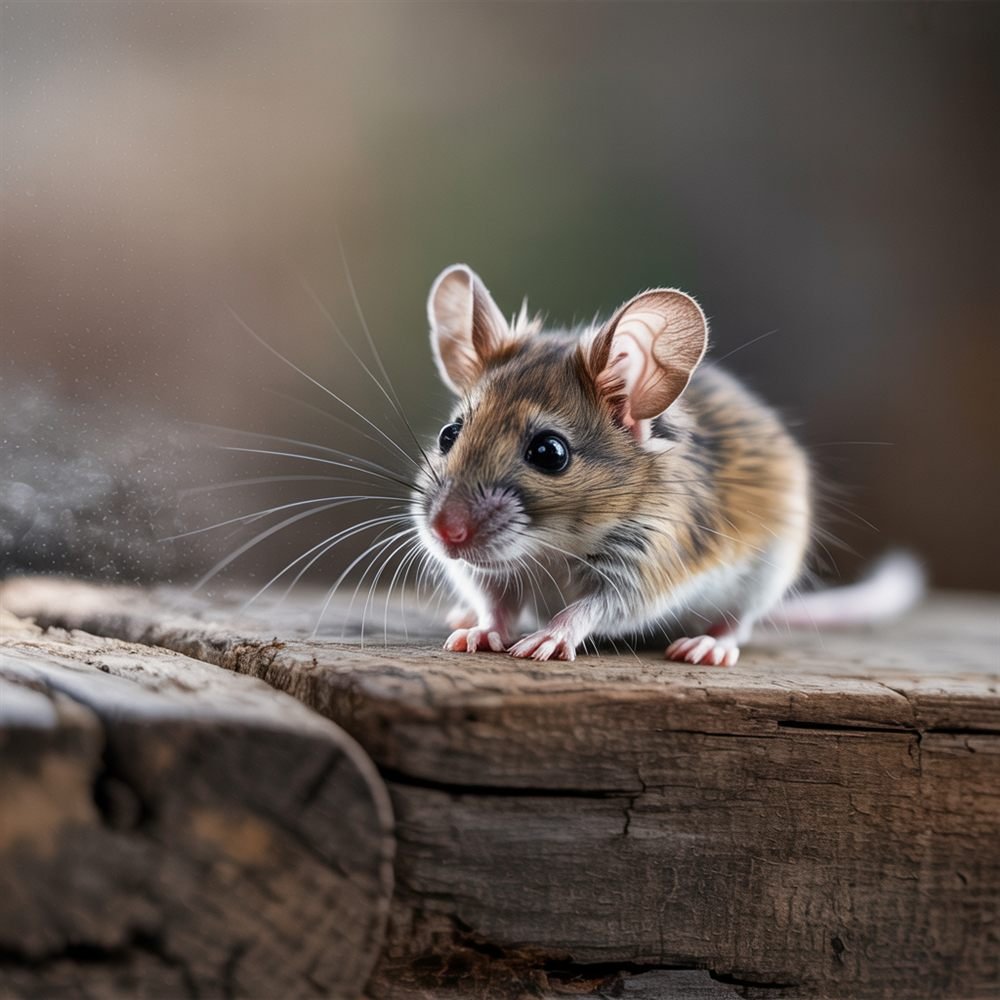
| House mouse | Rice-grain, ~1/8–1/4 in, pointed | Pantries, drawers, along walls |
| Roof rat | ~1/2 in, curved, pointed ends | Attics, along beams, up high |
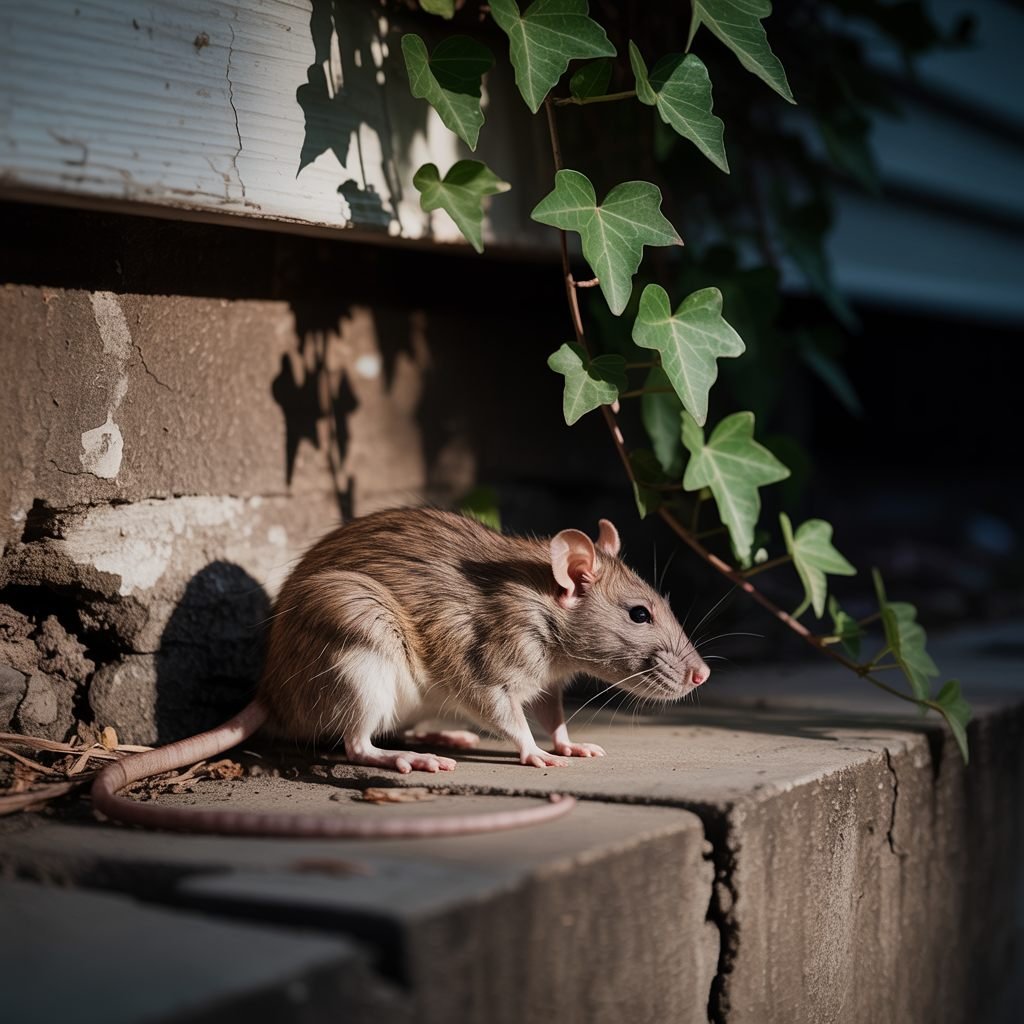
| Norway rat | ~3/4 in, blunt ends | Ground level, near foundations |
| Squirrel | Larger, rounded, scattered | Attics (with daytime activity) |
Fresh droppings are dark and soft; older ones turn grey, dry and crumbly. A concentration in one spot marks a travel route or nest area, and the sheer amount is a rough gauge of how many rodents you're dealing with. Getting the species right matters because it determines where we look for entry points and how we treat — see our rat species guide.
Why you must never dry-sweep or vacuum droppings
This is the single most important safety point, so it's worth being blunt: do not sweep or vacuum rodent droppings dry. Dried droppings and urine can carry pathogens, and disturbing them — sweeping, vacuuming or brushing — sends contaminated particles into the air where you breathe them. This is exactly how some rodent-borne illnesses are transmitted. A regular household vacuum makes it worse by blowing fine particles out the exhaust. See our full rodent diseases and health risks guide.
How to clean up droppings safely
- Ventilate the area first — open it up and let it air out.
- Wear gloves and, for larger amounts, a mask.
- Soak the droppings and surrounding area with a disinfectant or a bleach solution and let it sit — never dry.
- Wipe up with paper towels while wet, then bag and dispose.
- Disinfect again and wash your hands thoroughly.
For attic-scale contamination, nesting material, or heavy accumulations, this is worth handing to professionals — the volume of disturbed material is what raises the risk. That's part of our disinfecting services, which pair naturally with rodent removal and exclusion.
Droppings mean act now, not later
Droppings aren't just a mess to clean — they're proof of an active problem that's growing. Rodents breed fast, chew wiring (a fire risk), and contaminate more of your home the longer they're in. Cleaning up the droppings without sealing the entry points and clearing the population just means you'll be cleaning again. See rodent control.
Quick answers
How do I know if droppings are fresh?
Fresh droppings are dark, moist and soft; older ones are grey, dry and crumble easily. Fresh droppings mean active rodents right now.
Can rodent droppings make you sick?
Yes — they can carry pathogens, and disturbing them by sweeping or vacuuming aerosolizes particles. Always soak and wipe, never dry-clean.
What if I find droppings but no rodents?
Rodents are nocturnal and hide, so droppings are usually seen first. Their presence means an active or recent infestation worth inspecting.
What droppings tell us about where rodents are traveling
Beyond species and scale, droppings map the rodent's highways. Rodents are creatures of habit that run the same routes along walls, beams and pipes every night, leaving droppings and greasy rub marks as they go. When we inspect, a concentrated trail of droppings tells us exactly where to look for the nest and — crucially — where to place traps for the fastest results. Droppings clustered at a wall penetration, along the top of a joist, or beneath the kitchen sink each point to a different travel pattern and a different set of likely entry points. That's why we ask you not to clean droppings up before the inspection: to you they're a mess, but to us they're a map of how the rodents are moving through your home.
The cleanup you can't see is the one that matters
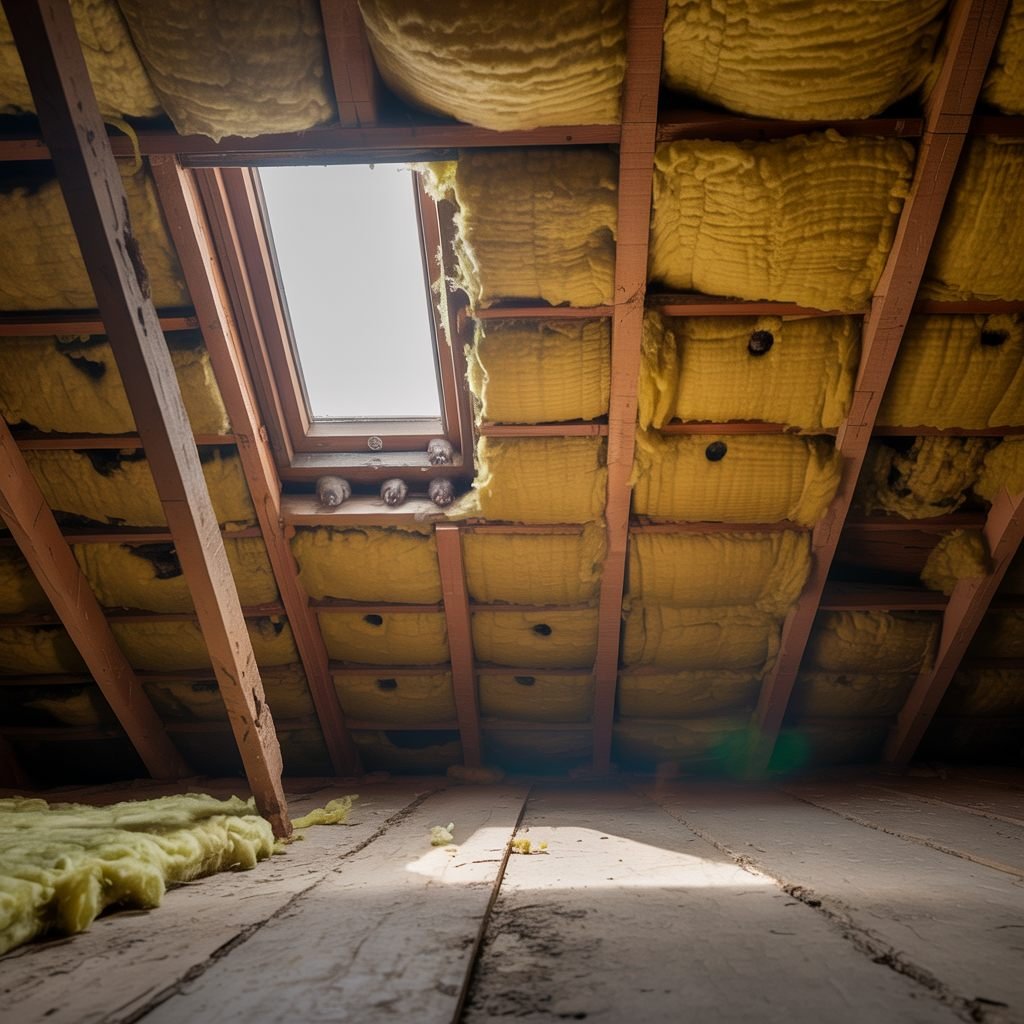
Homeowners naturally focus on the visible droppings on the pantry shelf, but the bigger contamination is usually hidden — in the attic insulation, wall voids and under-cabinet spaces where rodents nest and where droppings and urine accumulate out of sight. This is where odor lingers and where the health risk concentrates, and it's the part that's hardest to clean safely on your own. A thorough job includes assessing and, where needed, treating these hidden areas, sometimes with insulation removal and replacement for heavy attic contamination. See disinfecting & sanitizing services.
Found droppings and not sure how bad it is? Book a free inspection — we'll identify the species, gauge the scale, and handle removal, sealing and safe cleanup.
Dealing with this in your Dallas home?
A free inspection identifies the pest, the entry points and an exact quote — no obligation.