The attic is where roof rats — the most common attic rat in Dallas — establish, and they're heard long before they're seen. If you suspect something's living overhead, here are the seven signs that confirm it, plus a quick way to tell rats from squirrels.
The 7 signs
1. Scratching and scurrying at night
The classic sign. Rats are nocturnal, so noise that starts after dark and continues through the night points to rats (or mice). Noise during the day is more likely squirrels.
2. Droppings in the attic
Dark, pellet-shaped, concentrated along beams, walls and near nests. Roof rat droppings are about half an inch with pointed ends. Concentrations mark travel routes.
3. Gnaw marks — especially on wiring
Rats chew constantly. Look for gnawed wiring (a serious fire risk), chewed stored items, and damaged wood or ducting.
4. Grease and rub marks
Dark, oily smudges along rafters, beams and at entry points, left where rats travel the same path repeatedly. Follow them to find the entry point.
5. Nesting material
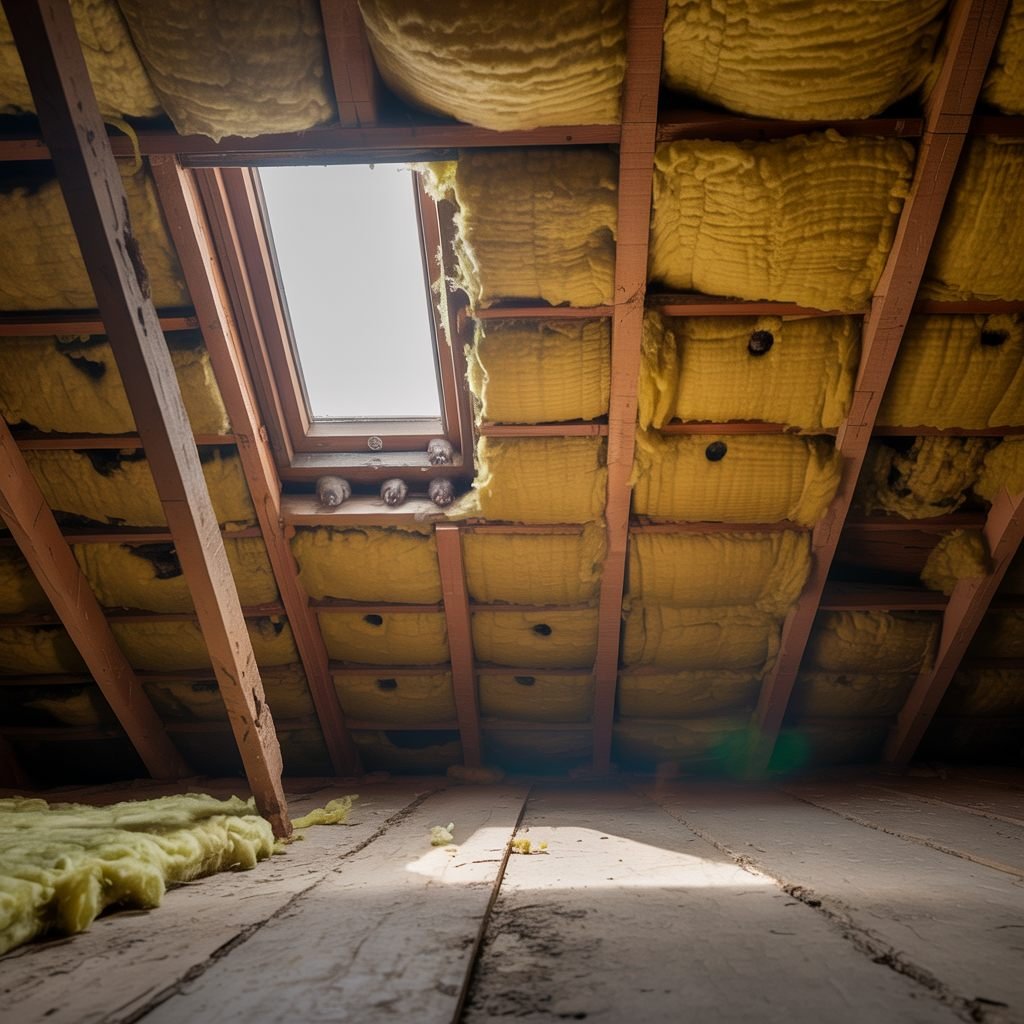
Shredded insulation, paper or fabric gathered into piles in corners or under stored items.
6. Disturbed or trampled insulation
Trails and flattened runs across the insulation surface, and thin or displaced patches where rats travel and nest.
7. A musky, ammonia-like smell
A persistent odor in the attic signals an active nest and accumulated urine.
Rats or squirrels? The daytime test
The quickest tell: time of day. Rats and mice are nocturnal — night noise. Squirrels are active in daylight — daytime scampering. Rats also leave greasier rub marks and smaller pointed droppings, while squirrels leave larger, more scattered droppings and coarser damage.
What to do next
Attic rats won't resolve on their own, and the longer they're there the more wiring damage and contamination accumulate. The fix is trapping and removal plus exclusion — sealing the roofline entry points so they can't return. Confirm the species and entry points with a free inspection, and read the full signs & symptoms guide.
Dealing with this in your Dallas home?
A free inspection identifies the pest, the entry points and an exact quote — no obligation.