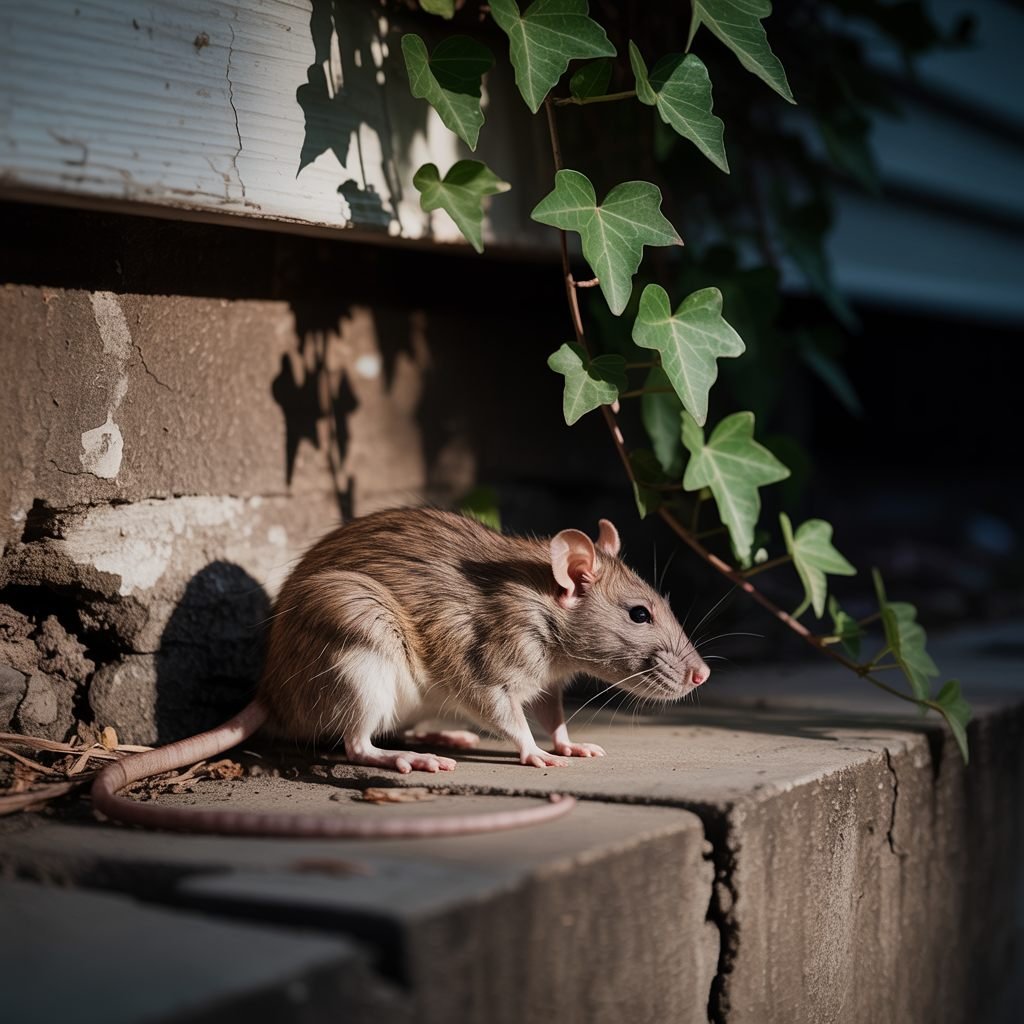
Most people underestimate the health side of a rodent problem — in fact, surveys suggest only about a quarter of Americans are aware rodents carry disease at all. That's part of why infestations get ignored longer than they should. Here's the straight picture of what's actually at stake, without the scaremongering.
Diseases rodents can transmit
Rodents spread disease through their droppings, urine, saliva and contaminated surfaces, and via the parasites they carry. The illnesses associated with rats and mice include:
- Leptospirosis — bacterial, spread through urine-contaminated water or surfaces.
- Salmonellosis — bacterial food poisoning from contaminated surfaces and food.
- Hantavirus — rare but serious, associated primarily with deer mice, transmitted by inhaling aerosolized droppings/urine particles.
- Rat-bite fever and other bacterial illnesses from bites or contamination.
The everyday risk: allergies and asthma
Beyond the named diseases, the most common real-world health impact is respiratory. Rodent droppings, urine and dander are recognized allergy and asthma triggers, and the effect is often strongest in children. As material dries and becomes airborne, it circulates through the home — which is why a rodent problem can quietly worsen a household's breathing issues.
The cleanup mistake that makes it worse
This is the single most important safety point: never sweep or vacuum rodent droppings directly. Dry-sweeping or vacuuming disturbs dried droppings and releases contaminated particles into the air — exactly the exposure route for the airborne risks above. Instead:
- Ventilate the area first.
- Wear gloves and, for larger amounts, a mask.
- Soak the droppings and surrounding area with a disinfectant and let it sit.
- Wipe or mop up while wet, then bag and dispose.
- Disinfect again and wash your hands thoroughly.
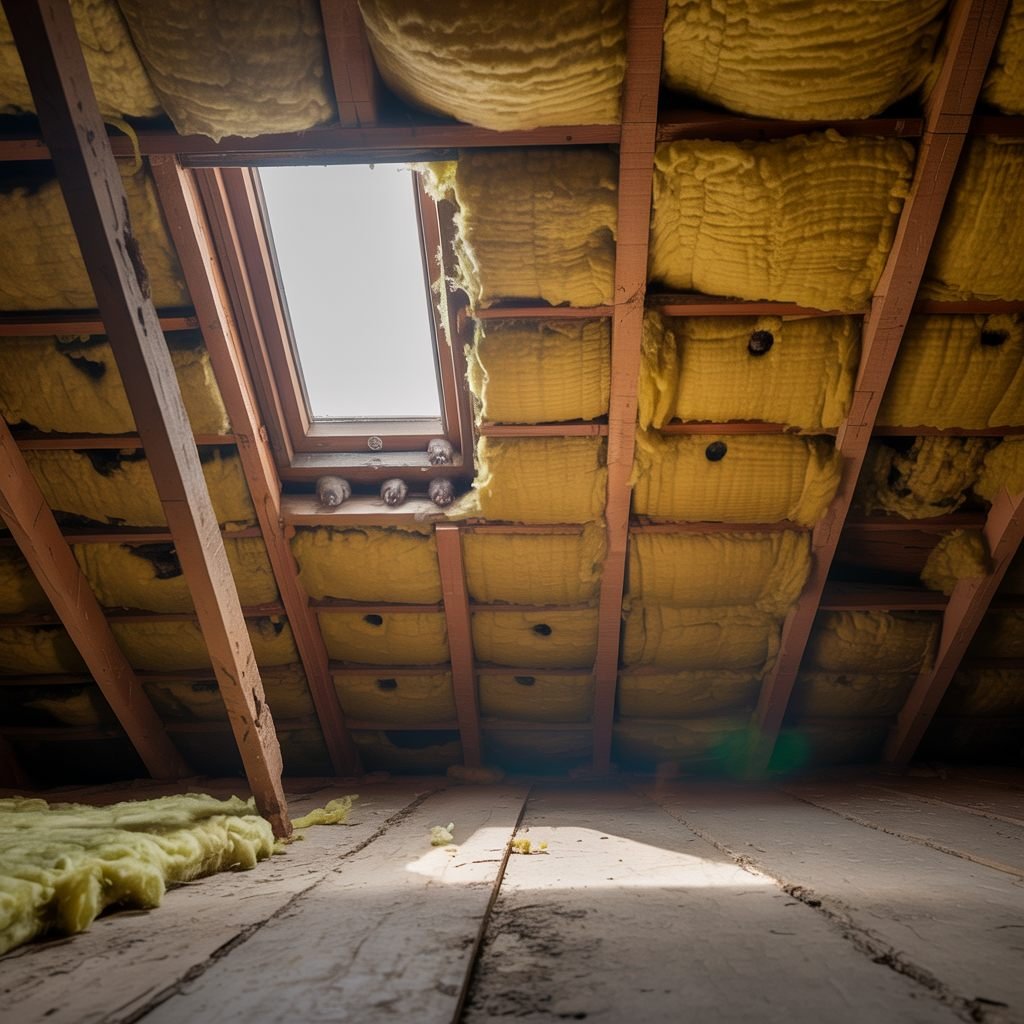
For attic-scale contamination or nesting material, have it handled professionally — the volume of disturbed material is what raises the risk.
Why prompt action matters
The health risk is one more reason not to “wait and see” with rodents — alongside the fire risk from chewed wiring. The longer a population is established, the more contamination accumulates. If you're seeing the signs of rodents, book a free inspection and start with our rodent control hub.
Dealing with this in your Dallas home?
A free inspection identifies the pest, the entry points and an exact quote — no obligation.