If you're hearing scratching and scurrying above your bedroom ceiling after dark, there's a very good chance you have roof rats — the most common attic rat across Dallas–Fort Worth. They're agile climbers that enter high, nest in your insulation, and chew constantly. The good news: once you know what you're dealing with, getting them out (and keeping them out) is a solvable problem.
How do I know it's roof rats and not something else?
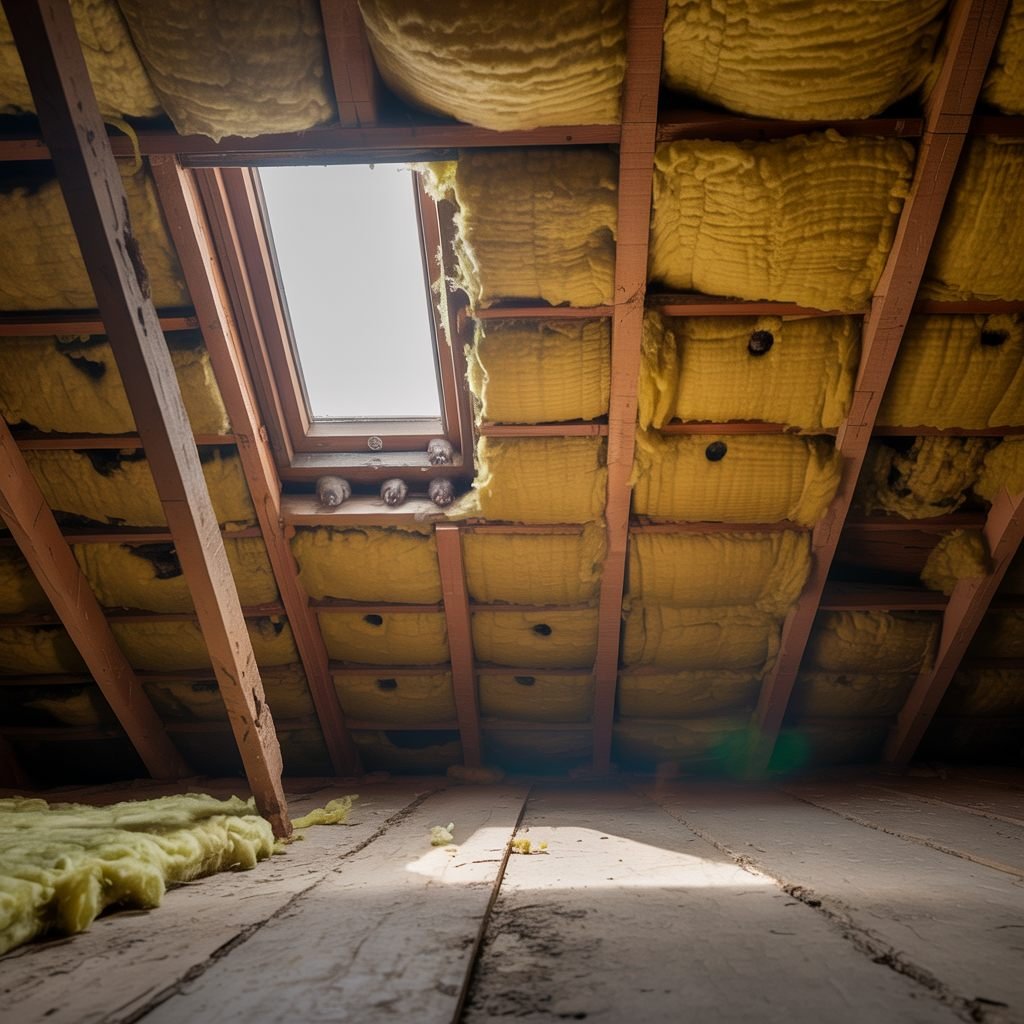
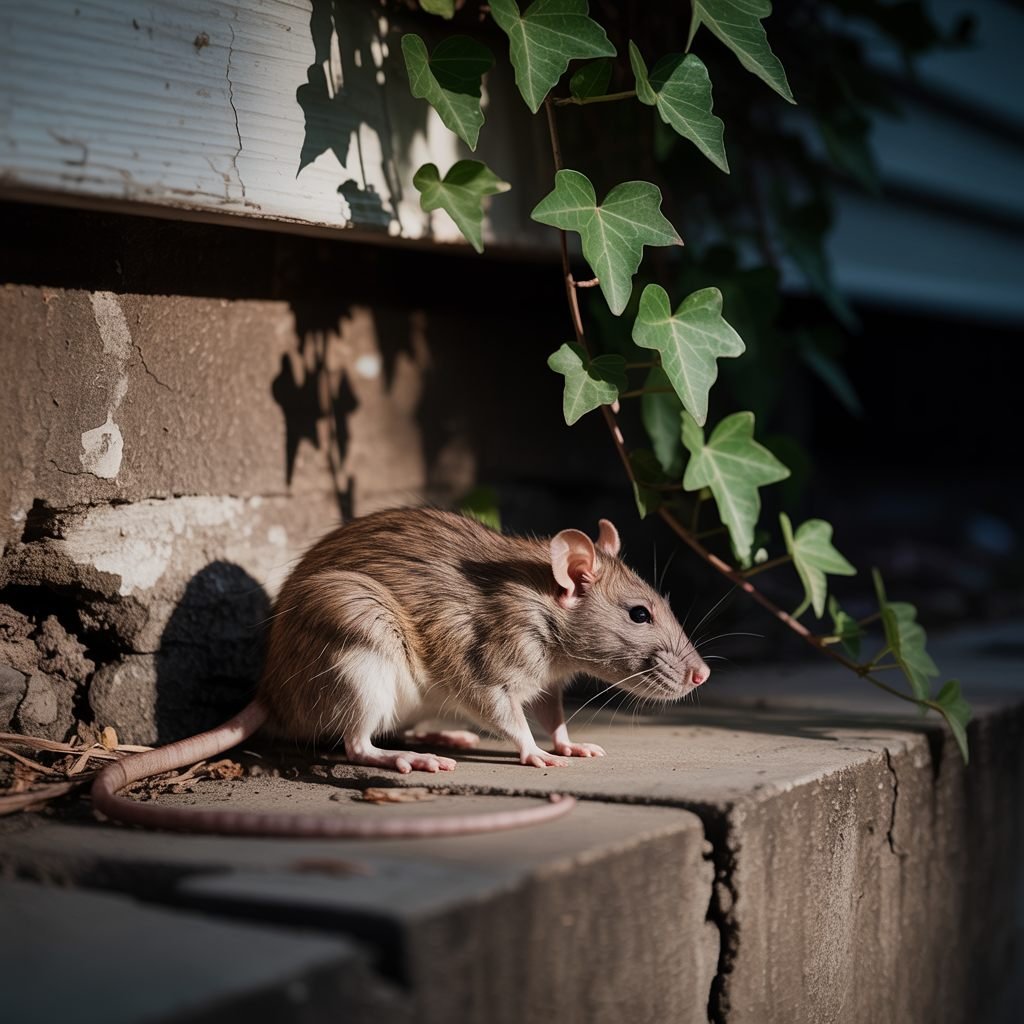
Roof rats live up high and move at night, so the tell-tale sign is nighttime scratching in the ceiling or attic — not the walls at floor level (that's usually mice) and not daytime scampering (that's usually squirrels). Other signs: dark, pointed droppings about half an inch long concentrated along beams; greasy rub marks where they travel the same route; gnawed wiring or stored boxes; and shredded insulation gathered into nests. Roof rats are slender, with a tail longer than their body and large ears — different from the heavier, ground-dwelling Norway rat. Our roof rat vs Norway rat guide breaks the two apart.
Why roof rats in the attic are more than a nuisance
Two risks make this urgent rather than wait-and-see. First, fire: rats gnaw wiring as a biological necessity, and rodent-damaged wiring contributes to tens of thousands of house fires a year. Second, contamination: droppings and urine in the insulation carry disease and trigger allergies, and it circulates through your home. They also destroy insulation and reproduce fast, so a small problem becomes a real infestation within weeks. See rodent diseases and health risks.
How do they get into a Dallas attic?
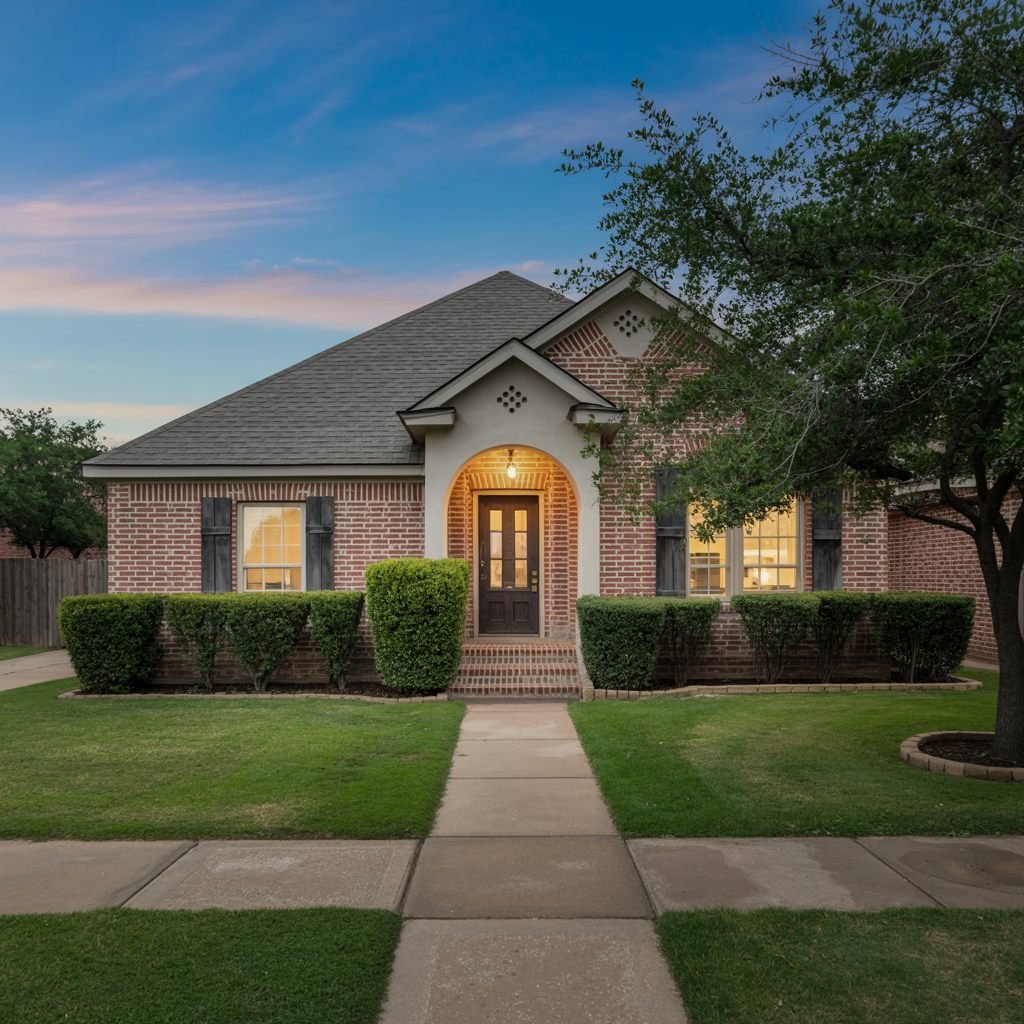
Roof rats reach the roof by climbing — along tree limbs that touch the house, up utility lines, and over fences. Once at the roofline they exploit gaps at the soffit, fascia, roof edge, gable vents, and any opening the size of a quarter. In our tree-heavy neighborhoods like Lakewood and North Dallas, overhanging limbs are the number-one highway. That's why cutting tree contact is part of the fix, not an afterthought.
The right way to get them out
Here's where most DIY efforts fail: they trap the rats inside without sealing the way in, so new ones move right back. Effective roof rat control is a sequence:
- Inspection — confirm roof rats and map every roofline entry point.
- Trapping & removal — clear the active population (we don't rely on interior poison, which leaves rats to die and stink inside walls).
- Exclusion — seal the entry points with materials rats can't chew through, and trim the limbs that gave them access.
- Cleanup — address contaminated insulation where needed.
This is the core of our rodent control work, and the exclusion step is what makes it permanent rather than a temporary pause.
Quick answers
Will roof rats leave on their own?
No. Your attic offers warmth, shelter and safety, and in Dallas's mild winters they stay active year-round. Left alone, the population grows.
How long does it take to get rid of roof rats?
Trapping typically runs one to three weeks depending on numbers, with exclusion sealing the problem shut. A single visit that just lays bait won't do it.
Can I use poison in the attic?
We advise against it — poisoned rats die in inaccessible voids and create a severe odor problem, plus there's secondary-poisoning risk to pets and wildlife.
How much does roof rat removal cost in Dallas?
Rodent work is quoted after inspection because it depends on the number of entry points and the extent of the problem. See our pricing.
What roof rat exclusion actually looks like
Homeowners often picture “sealing the attic” as a quick patch, but doing it right is what separates a permanent fix from a recurring bill. On a typical Dallas home, exclusion means going around the entire roofline and closing every gap a rat can exploit — soffit and fascia junctions, gable and roof vents (screened, not just covered), the gaps where different roof planes meet, and any spot where a utility line or pipe penetrates the roof. We use materials rats can't gnaw through — metal flashing, hardware cloth and sealed steel mesh — rather than foam or caulk, which they chew in a matter of nights. Then we cut back the tree limbs that gave them the highway in the first place, because in tree-heavy neighborhoods like Lakewood, Preston Hollow and North Dallas, an overhanging branch is an open invitation. Skip any one of those steps and the attic gets reoccupied within a season, which is exactly why the cheap “bait and leave” approach fails so reliably here.
How much does it cost — and is it worth it?
Rodent work is quoted after inspection because it genuinely depends on the number of entry points and the size of the problem, but weigh it against what roof rats cost if ignored: chewed wiring (and the fire risk that comes with it), contaminated insulation that has to be replaced, and a fast-growing population that gets more expensive to clear the longer you wait. Catching it early and sealing properly is far cheaper than the alternative. See our pricing page for the full picture, and our species guide if you're still not sure what you're hearing.
Hearing them overhead? Don't wait for the wiring damage to add up. Book a free inspection and we'll confirm the species, find the entry points, and give you an exact quote to clear and seal your attic.
Dealing with this in your Dallas home?
A free inspection identifies the pest, the entry points and an exact quote — no obligation.