If you're pregnant and dealing with pests, you're caught between two worries: the pests themselves and the treatment. It's a completely reasonable concern, and the honest answer is nuanced — professional pest control can be done safely with the right precautions, and in some cases not treating carries its own risk. Here's how to think about it.
The balance to weigh
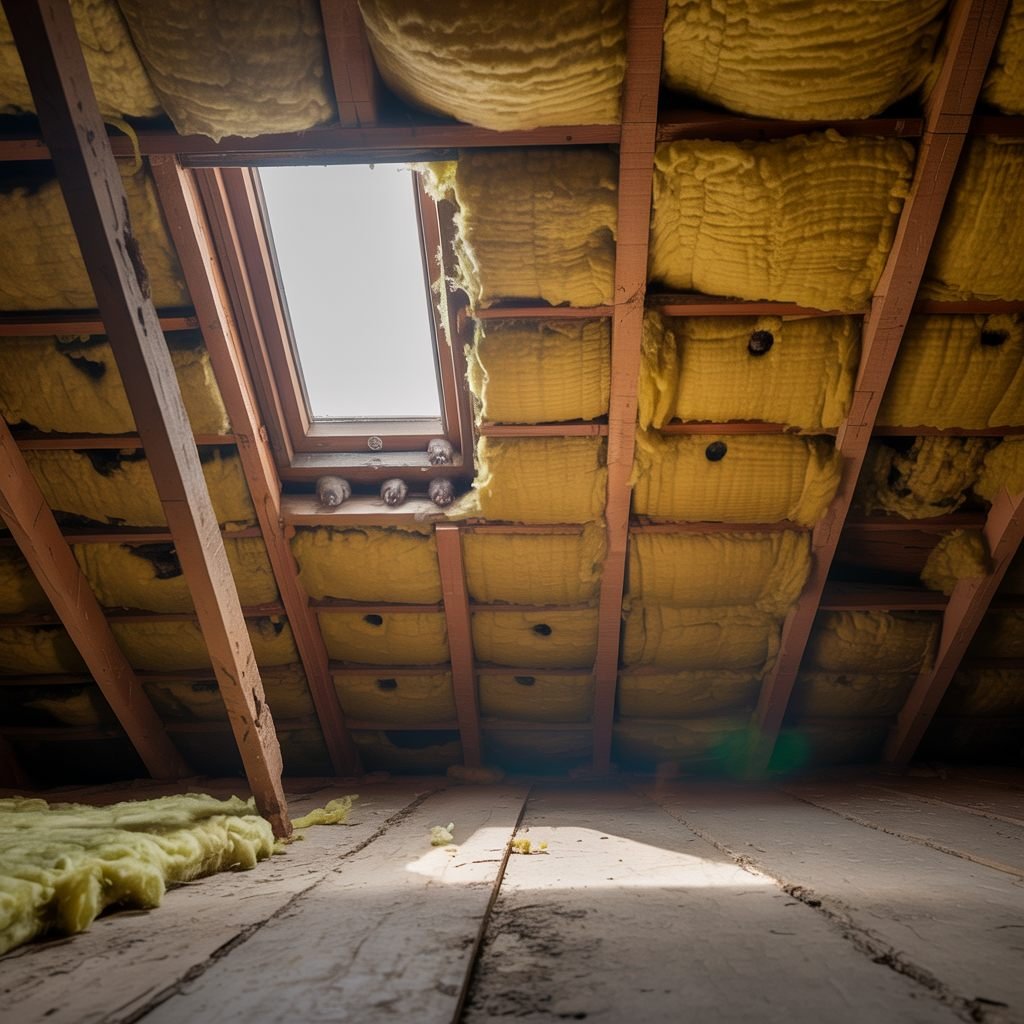
Some pests are more than a nuisance during pregnancy. Rodents contaminate food surfaces and carry disease; cockroaches spread bacteria and trigger asthma and allergies; mosquitoes and ticks can transmit illness; and stinging insects are a hazard. Leaving a real infestation untreated has genuine downsides. So the goal isn't “no treatment” — it's appropriate, careful treatment that solves the problem while minimizing any exposure. A licensed professional can almost always find that balance.
How professional treatment is made safer
This is exactly where professional application beats DIY. The biggest cause of unsafe pesticide exposure in homes is store-bought products used off-label — too much, in the wrong place, without ventilation. Licensed technicians follow the product label precisely and can adjust the whole approach for a sensitive household:
- Targeted, contained methods — baiting and crack-and-crevice treatment instead of broad indoor spraying, keeping active ingredients away from living surfaces.
- Exterior-first treatment — handling as much as possible outside, so the interior is minimally involved.
- Reduced-risk and botanical products where they're effective, and eco-friendly options on request.
- Clear re-entry guidance — if any interior treatment is used, exactly how long to stay out of the area.
Tell your technician you're pregnant
This is the single most useful thing you can do. When you tell us there's a pregnancy in the household (or infants, or someone with asthma or chemical sensitivities), we adjust the plan — more baiting, more exterior focus, sensitive-household products, and scheduling that lets the treated person be away during and after any interior work. A good pest control company treats your home differently because you asked, and that's exactly how it should work. It's the same standard we apply to homes with young children and pets, covered on our licensing & safety page.
Simple precautions
- Let someone else handle any DIY products — and avoid off-label store-bought sprays entirely.
- Be out of the home during interior treatment, and follow re-entry timing.
- Ventilate treated areas.
- Wash hands before eating; keep food and dishes covered during treatment.
Quick answers
Should I just wait until after the baby to deal with pests?
It depends on the pest. A minor issue can sometimes wait, but rodents, roaches or stinging insects carry their own risks — a professional can treat safely rather than leaving an active problem.
Are natural or eco-friendly options available?
Yes — ask about botanical and reduced-risk products and an exterior-focused, baiting-based approach. We'll build the safest plan that still solves the problem.
Is professional treatment safer than store-bought?
Generally yes — the most common unsafe exposure comes from off-label DIY products. Licensed application follows the label and can be tailored to a pregnancy.
Which pests really shouldn't wait
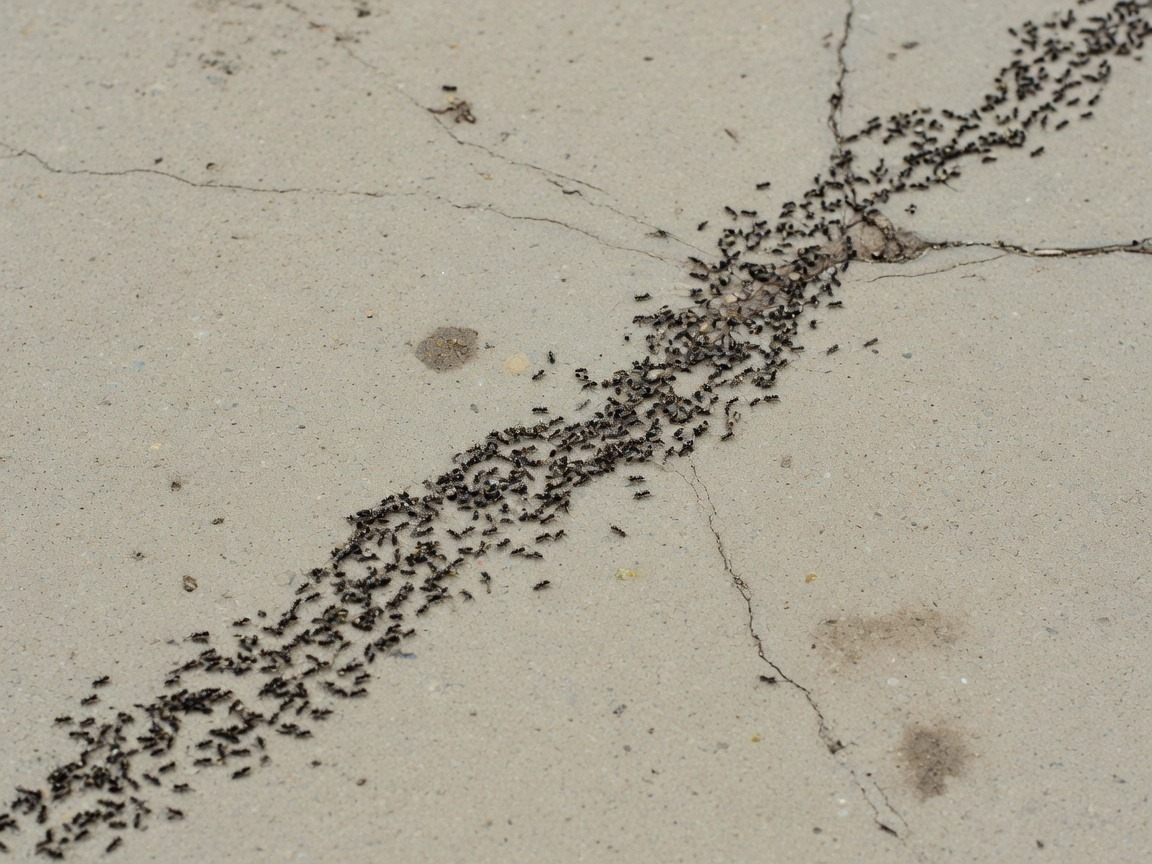
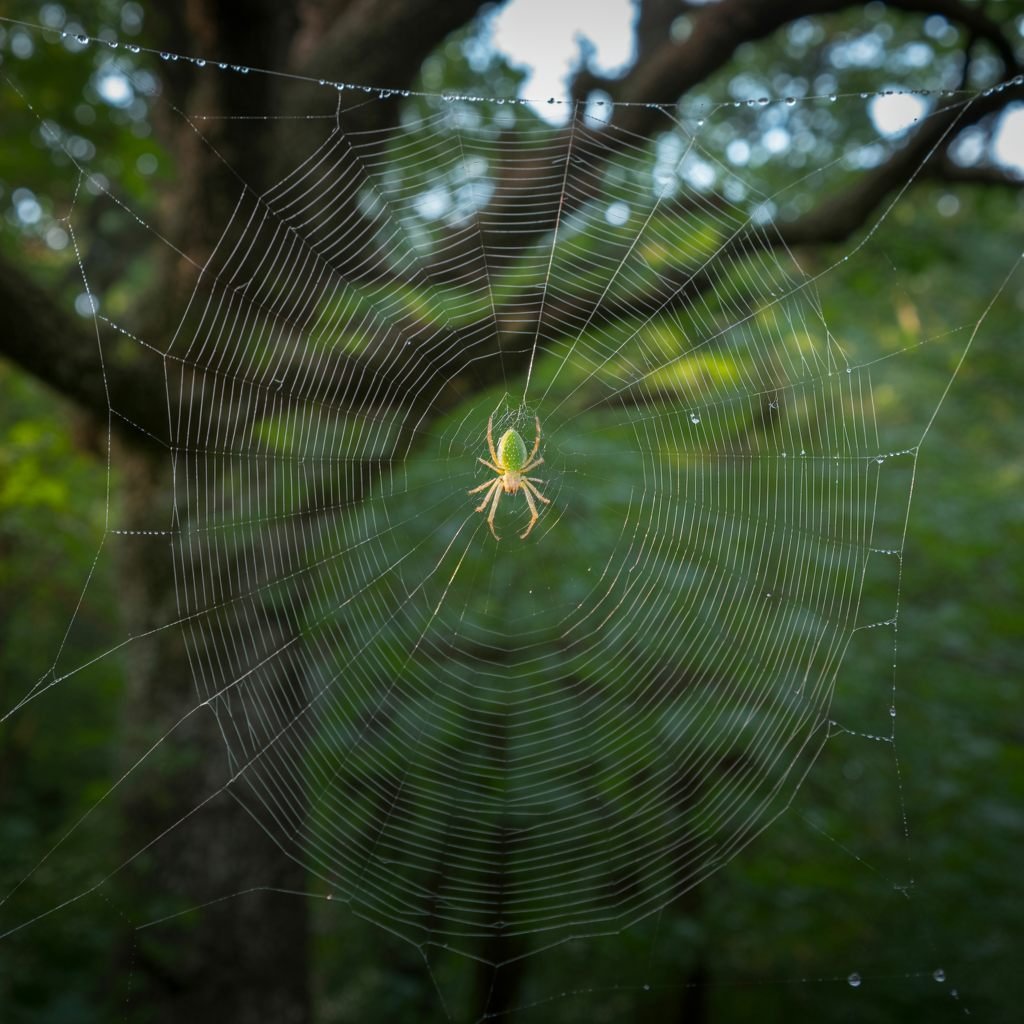
It helps to know which problems are worth treating promptly during pregnancy versus which can reasonably wait. Rodents top the “don't wait” list — they contaminate food-prep surfaces and can carry illness, and the problem only grows. Cockroaches are next, because they spread bacteria and are a well-documented trigger for asthma and allergies in the home. Stinging insects near living areas are a hazard given the risk of an allergic reaction, and mosquitoes and ticks matter because of the diseases they carry. By contrast, the occasional spider or a few ants outdoors is usually a lower priority you can address with careful, targeted methods on a comfortable timeline. A quick call helps you sort which category you're in.
What a “sensitive household” plan looks like
When we treat a home with a pregnancy, the plan leans on the safest effective tools: exclusion and sanitation first (sealing entry points, removing food and moisture) so we rely less on any product at all; baiting and crack-and-crevice placement that keeps active ingredients tucked away from living surfaces rather than sprayed across them; exterior treatment doing the heavy lifting; and reduced-risk or botanical products where they'll work. It's the same careful, minimum-necessary philosophy we bring to homes with newborns and pets — solving the problem while keeping exposure as close to zero as possible.
Expecting and dealing with pests? Book a free inspection, tell us about the pregnancy, and we'll build a careful plan that protects your household.
Dealing with this in your Dallas home?
A free inspection identifies the pest, the entry points and an exact quote — no obligation.