You walk into a room and find dozens of winged insects at the window, or a scatter of tiny discarded wings on the sill or floor. It's alarming, and it should be — because termite swarmers appearing inside your house is one of the strongest signs of an active termite colony in or under your home. Here's exactly what it means and the right steps to take.
What termite swarmers are
Swarmers (also called alates) are the winged reproductive termites a mature colony releases to go start new colonies. They emerge in large numbers, typically in spring and often on warm days after rain, fly a short distance, shed their wings, and pair off to breed. A colony only produces swarmers once it's well-established and mature — which is the key point: seeing swarmers means there's already a developed termite colony nearby, not a brand-new one. Finding them, or their shed wings, is often the first time a homeowner realizes termites have been at work.
Inside vs. outside makes a big difference
Where you see the swarm matters enormously:
- Swarmers emerging inside your home — from a wall, floor, window frame or baseboard — strongly indicates an active colony in or beneath your house's structure. This is the serious scenario and needs a professional inspection promptly.
- Swarmers outside — around a stump, woodpile or in the yard — is more common and less alarming, but still means termites are active on your property and worth an inspection, because they may find your home next.
Either way, swarmers are a call to act. Our termite types guide explains what the swarm tells you about which termites you have.
What to do right now
- Don't panic, but don't ignore it. Termites work slowly — a day or two to get an inspection won't change the outcome — but this isn't something to shrug off.
- Collect a few specimens and the wings. Save some in a bag or take clear photos — they help confirm termites (vs. flying ants) and the species. Note the difference: termites have straight bodies with no waist and four equal wings; flying ants have a pinched waist and unequal wings.
- Note where they came from. Which room, which wall or window — this tells the inspector where to focus.
- Don't spray them and consider it solved. Killing the visible swarmers does nothing to the colony producing them. The colony is the problem.
- Schedule a professional inspection. This is the essential step — to locate the colony and assess the extent.
Why fast action pays off
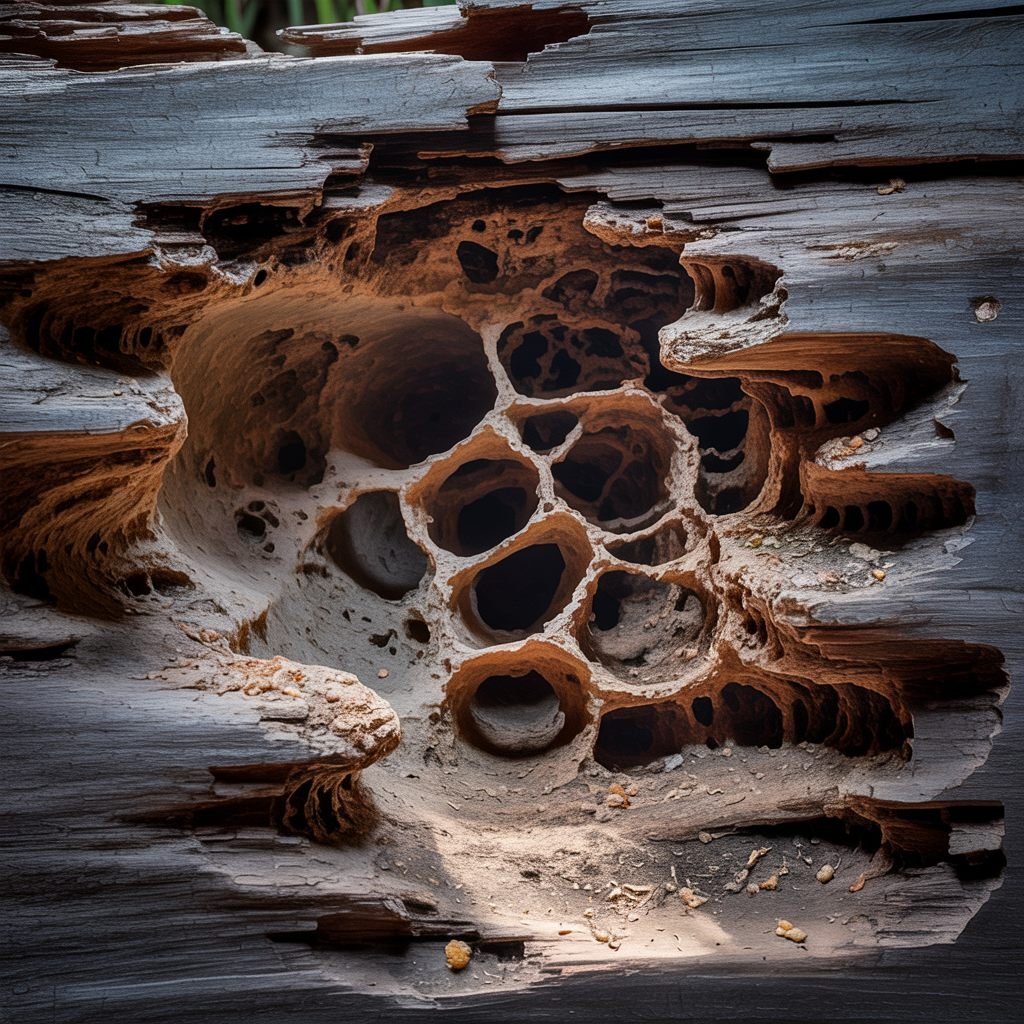
Termites cause enormous structural damage nationwide, and they do it out of sight. A colony mature enough to swarm has been active for a while, so the sooner it's located and treated, the less damage accumulates and the less you spend on repairs. Treatment — a liquid soil barrier or bait system for subterranean termites, targeted treatment for drywood — is straightforward once the colony is identified. See termite control, and read our guide on the best time for a termite inspection.
Quick answers
Does seeing termite swarmers mean I have an infestation?
Swarmers indoors strongly indicate an active, established colony in or under your home. Outdoors, it means termites are active on your property. Both warrant a prompt inspection.
How do I tell termite swarmers from flying ants?
Termites have straight bodies with no waist, straight antennae, and four equal-length wings; flying ants have a pinched waist, bent antennae, and unequal wings. Save a specimen to confirm.
Can I just spray the swarmers?
No — killing the winged termites you see does nothing to the colony producing them. The colony must be located and treated to actually resolve the problem.
What happens after you call
Homeowners often worry that reporting swarmers means an immediate, disruptive, expensive ordeal — so it helps to know how it actually goes. First is a thorough inspection to confirm it's termites, identify the species, and locate the colony and the extent of any activity, checking the foundation, crawl space or slab edges, attic and interior wood. From there you get a clear explanation of what was found and the treatment options. For subterranean termites, that's typically a liquid barrier applied to the soil around the structure or a bait system installed around the perimeter; for drywood, it's localized treatment or, in severe cases, fumigation. Most treatments come with a warranty and follow-up inspections to confirm the colony is gone and doesn't return. It's a manageable, well-established process — and catching it at the swarmer stage rather than after years of hidden feeding is exactly what keeps it that way.
Found swarmers or discarded wings indoors? Book a free inspection right away and we'll locate the colony and tell you exactly what you're dealing with.
Dealing with this in your Dallas home?
A free inspection identifies the pest, the entry points and an exact quote — no obligation.