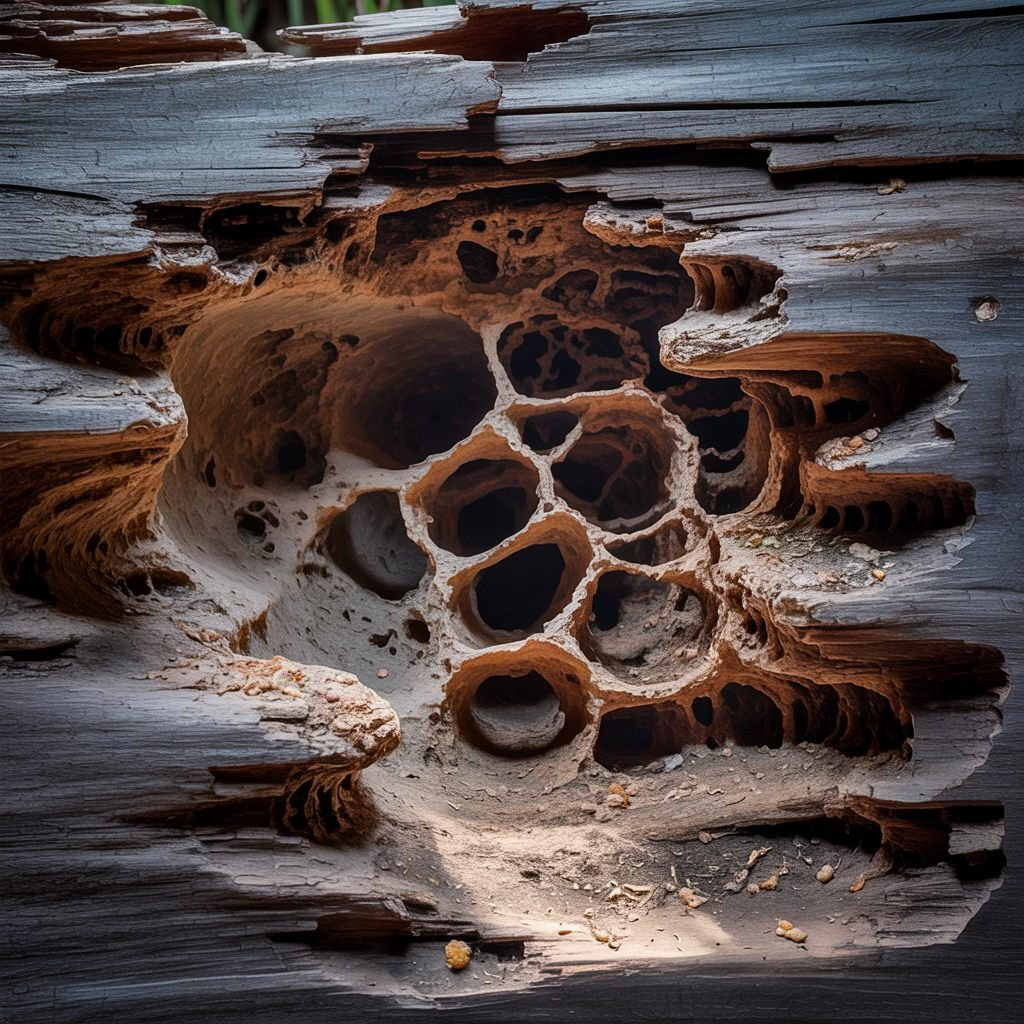
Termites cause more damage than fires and storms combined for many homeowners, and in Texas they're a when-not-if concern. So when's the best time to get a termite inspection? The short answer: annually, and spring is ideal — but there are a few times you shouldn't wait for the calendar. Here's how to think about timing in Dallas.
Why spring is prime termite season
Spring is when subterranean termites swarm — winged reproductives leave the colony to start new ones, usually on warm days after rain. Those swarms (and the discarded wings they leave on windowsills) are often the first visible sign of an established termite problem, and they make spring the season when activity is easiest to spot. A spring inspection catches swarmers, checks for the mud tubes that indicate active subterranean colonies, and establishes whether new colonies are trying to move in. In North Texas, swarm season generally runs from early spring into early summer.
But don't wait for spring if you see signs
Termites work year-round in our mild climate, so if you notice any of these, get an inspection now regardless of season:
- Mud tubes on the foundation, piers or crawl-space wood.
- Pellet piles (frass) beneath wood trim or furniture (drywood termites).
- Hollow-sounding or blistered wood, sticking doors or windows, or sagging floors.
- Discarded wings or live swarmers indoors.
See our termite types guide for what each sign means.
Other key times to schedule an inspection
- When buying a home — a termite (WDI) report is standard, often lender-required, and protects you from inheriting a hidden problem.
- Annually as maintenance — because subterranean termites work from the inside out, annual inspection catches colonies before they cause structural damage. It's the cheapest insurance against a five-figure repair.
- After nearby construction or heavy rain — soil disturbance and moisture can drive termite activity toward your home.
- If your warranty or bond requires it — many termite treatments come with renewable coverage that depends on periodic inspection.
Why annual timing matters so much in Dallas
North Texas's clay soils, slab foundations and long warm season all favor subterranean termites, and because they hide their work, most homeowners don't notice until there's visible damage. An annual inspection breaks that pattern — it finds activity early, when treatment is straightforward and repairs are minimal. Think of it like servicing your HVAC: a small routine cost that prevents a large surprise one. See termite control and pricing.
Quick answers
How often should I get a termite inspection?
Annually for most Dallas homes, plus any time you see signs or are buying a property. Homes under a termite bond may need inspection to maintain coverage.
When do termites swarm in Texas?
Generally early spring into early summer, on warm days often after rain. Swarms and discarded wings are a common first sign of an established colony.
Is a termite inspection worth it if I see no signs?
Yes — subterranean termites work invisibly, so “no signs” doesn't mean no termites. Annual inspection catches them before they cause costly damage.
What a thorough termite inspection covers
Not all inspections are equal, so it helps to know what a real one includes. A proper termite inspection in Dallas checks the full perimeter of the foundation for mud tubes, the crawl space or slab edges where soil meets wood, the attic and roofline (for drywood evidence and moisture), and the interior — window and door frames, baseboards, garage framing, and any wood that sounds hollow when tapped. We also look for the conditions that invite termites: wood-to-soil contact, mulch piled against the foundation, poor drainage, leaks and excess moisture. Finding those risk factors matters as much as finding termites, because correcting them is how you keep the next colony from moving in. You should get a clear report of what was found and what it means.
Prevention between inspections
An annual inspection works best paired with a few habits that make your home less attractive year-round: keep mulch and soil below the siding line, move firewood and lumber away from the foundation, fix leaks and direct downspouts away from the house, keep the crawl space ventilated and dry, and maintain any existing termite treatment barrier or bond. None of these replace an inspection, but together they lower your risk and make it far more likely that when termites do probe your home, they find nothing worth staying for. In our climate, that ounce of prevention genuinely is worth the pound of cure.
Due for a termite inspection — or seeing swarmers or mud tubes? Book a free inspection and we'll check thoroughly and tell you exactly where you stand.
Dealing with this in your Dallas home?
A free inspection identifies the pest, the entry points and an exact quote — no obligation.