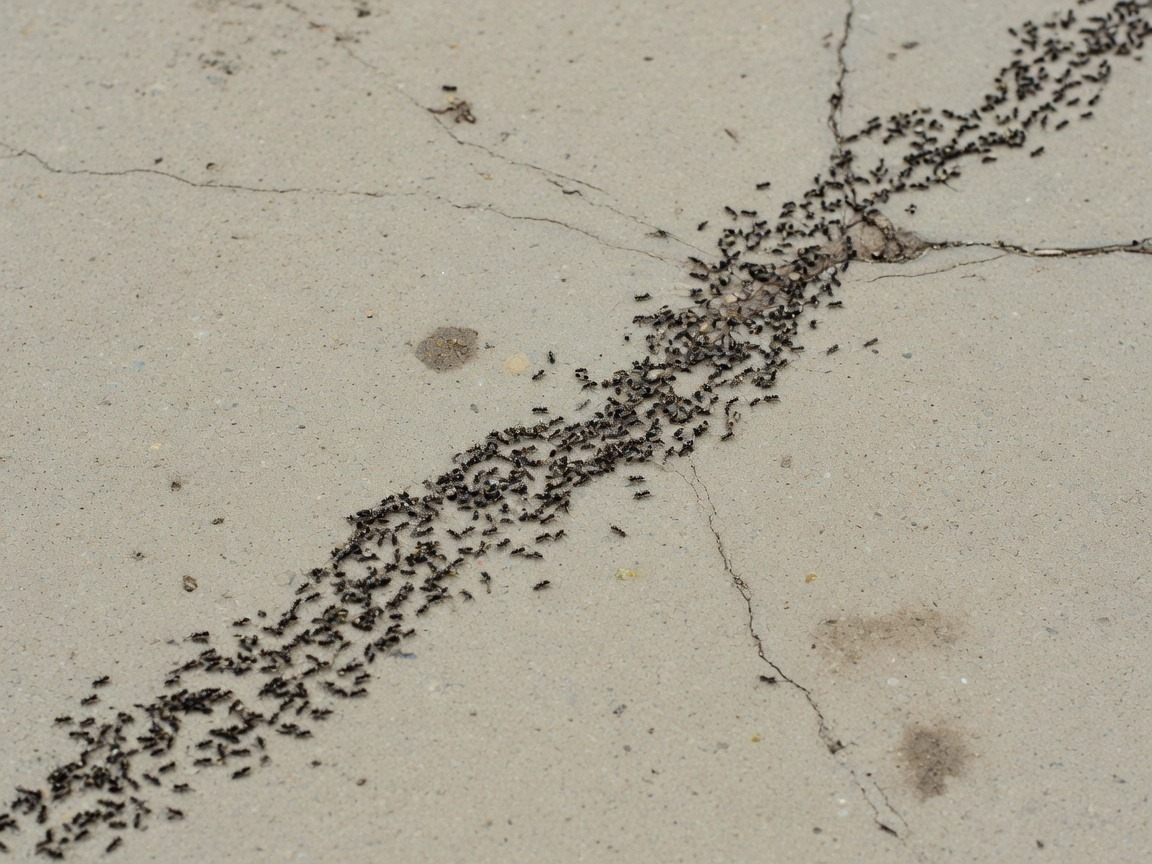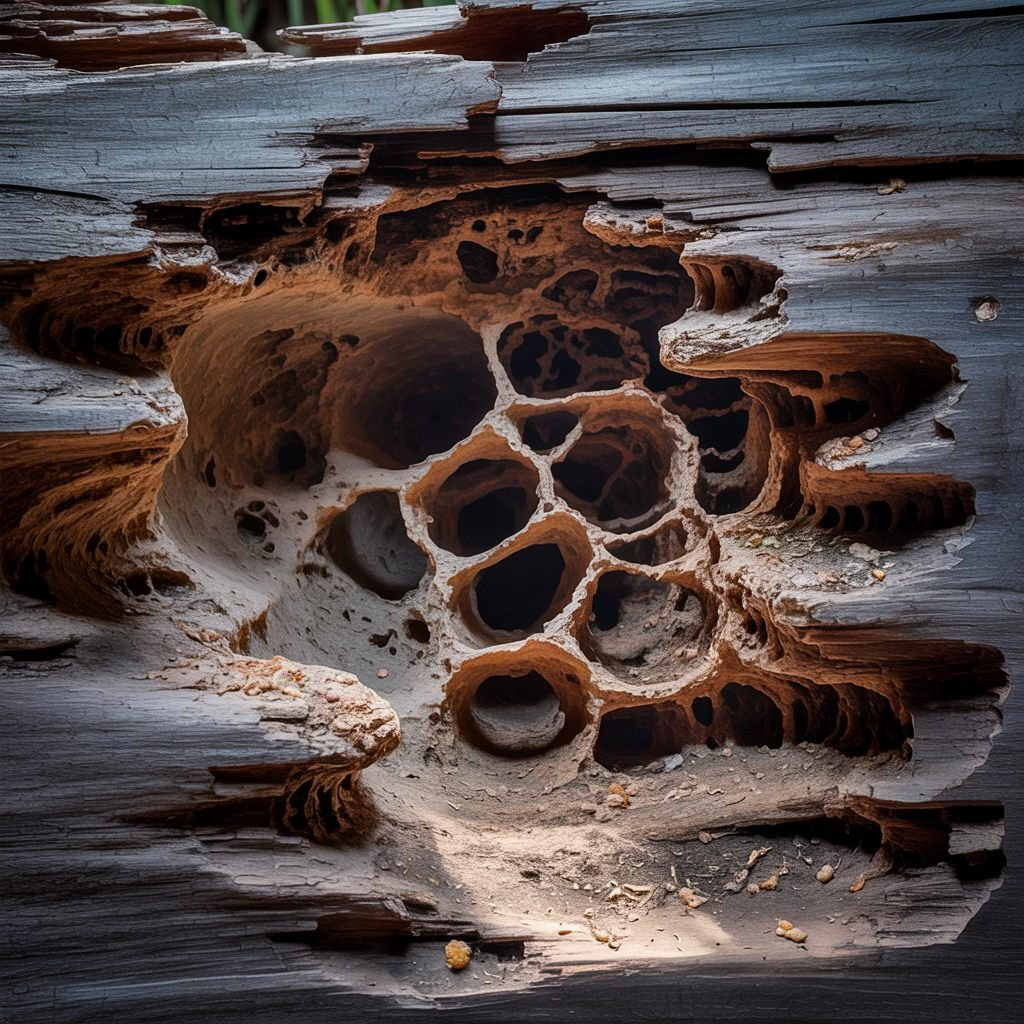
Termites quietly cause more structural damage than any other pest in Texas, often working for years before you see a sign. And here's what most homeowners don't realize: Texas deals with two very different kinds of termites — subterranean and drywood — and they require completely different treatments. Confusing them wastes money and leaves the colony active. Here's how to tell them apart.
Subterranean termites (the most common in DFW)
Subterranean termites live in the soil and tunnel up into your home's wood, needing constant contact with moist ground. They're by far the more common and more destructive termite in North Texas. The signature sign is mud tubes — pencil-width earthen tunnels running up foundation walls, piers and crawl-space wood, which they build to travel between the soil and your structure. Other signs: spring swarms of winged termites, discarded wings on windowsills, and hollow-sounding wood with soil packed inside the galleries.
Treatment: a liquid barrier applied to the soil around the foundation that termites can't cross, or an in-ground bait system that colonies feed on and carry back to eliminate the nest. Both work at the soil-to-structure boundary — because that's where subterranean termites travel.
Drywood termites
Drywood termites live entirely inside the wood and need no soil contact — they get moisture from the wood itself. That means they can infest attic framing, furniture, trim and hardwood far from the ground. The signature sign is frass: small, hard, ridged pellets (like coarse sawdust or coffee grounds) that pile up beneath infested wood, pushed out through tiny “kick-out” holes.
Treatment: localized/spot treatment for limited infestations, or whole-structure fumigation when they're throughout the home. Soil barriers do nothing against drywood termites — a critical distinction.
| Subterranean | Drywood | |
|---|---|---|
| Lives in | Soil | Inside the wood |
| Sign | Mud tubes | Pellet piles (frass) |
| Needs soil moisture | Yes | No |
| Treated with | Liquid barrier / bait | Spot treatment / fumigation |
Why the difference matters so much
Treat a drywood infestation with a subterranean plan and you'll spend money on a soil barrier while termites keep eating your attic. Treat a subterranean colony with drywood spot treatment and you'll miss the nest in the ground entirely. This is exactly why every legitimate termite job starts with identification, and why a quote that doesn't name the species is a red flag. See termite control and what pest control costs.
Why Dallas homes are at risk
North Texas's clay soils, the moisture around slab foundations, and our long warm season all favor subterranean termites, while older homes with exposed wood are targets for drywood colonies. Because subterranean termites work from the inside out, damage is often advanced before any visible sign — which is why annual inspection is cheap insurance against a five-figure repair.
Quick answers
How do I know if I have termites?
Look for mud tubes on the foundation (subterranean) or pellet piles beneath wood (drywood), plus spring swarms and discarded wings. Many infestations are found only on inspection.
Are flying termites a problem?
Winged “swarmers” in spring are reproductives leaving to start new colonies — often the first visible sign of an established termite problem nearby.
How often should I get a termite inspection in Texas?
Annually. Subterranean termites hide their work, so early detection is the difference between a routine treatment and major repairs.
What a termite inspection in Dallas involves
A proper termite inspection is more than a walk around the yard. We check the foundation and slab perimeter for mud tubes, the crawl space or garage for wood-to-soil contact, the attic and framing for drywood signs and frass, and the moisture-prone areas — around water heaters, plumbing, AC condensate lines and any past leaks — because moisture is what draws subterranean termites in. We also look for the conducive conditions that invite them: mulch piled against the foundation, wood siding near grade, and poor drainage. You get a clear explanation of what we found and, if there's activity, a treatment plan matched to the species. Even with no active infestation, an inspection establishes a baseline and catches problems while they're small.
Why annual inspection is cheap insurance in North Texas
Here's the math that makes termites different from most pests: because subterranean termites work silently from inside the wood, the average homeowner doesn't notice until there's visible damage — and by then repairs can run into five figures on top of treatment. An annual inspection, by contrast, is inexpensive and catches a colony early, before it compromises framing. In DFW's clay soils and long warm season, termite pressure is a when-not-if situation for many homes, which is exactly why lenders often require a termite (WDI) report at sale. Treat it as routine maintenance, like servicing your HVAC. See termite control and what it costs.
Found mud tubes or pellet piles — or just want peace of mind? Book a free termite inspection and we'll identify the species and match the treatment to it.
Dealing with this in your Dallas home?
A free inspection identifies the pest, the entry points and an exact quote — no obligation.