It's a fair question, and one we hear all the time: do you actually need an ongoing quarterly plan, or is it fine to just call when you see a bug? The honest answer depends on where you live and what you want — but in Dallas specifically, the climate tilts the math toward year-round protection. Here's the real reasoning, without the hard sell.
Why Dallas is different from cooler climates
In a northern state with hard winters, pest pressure drops off for months and reactive control can be enough. North Texas doesn't get that reprieve. Our winters are mild, our summers are long and hot, and our spring and fall are wet — which means pests here breed and stay active across most of the year. Ants, spiders, roaches, mosquitoes, scorpions, and rodents don't take a season off, so a home that's only treated when a problem appears is essentially unprotected the rest of the time. The climate that makes Dallas pleasant to live in makes it very comfortable for pests, too.
What “quarterly” actually does
The core idea behind a quarterly plan is a maintained barrier. Each treatment refreshes a protective perimeter around your home and knocks down the pests trying to get in — before they become an infestation you notice indoors. Four visits a year isn't arbitrary; it roughly matches how long the exterior products last and how the pest seasons turn over: the spring visit gets ahead of ants and the breeding surge, summer handles peak activity and mosquitoes, fall heads off the rodent push indoors, and winter maintains the barrier through the quieter months. Between visits, most reputable plans include free re-service if something breaks through, so you're not paying twice.
Reactive vs. preventive: the real cost
Reactive control feels cheaper because you only pay when there's a problem — but it usually costs more over time. By the time you see pests indoors, the population is already established, treatment is more involved, and any damage (chewed wiring, contaminated food, a termite colony) may already be done. Preventive service spreads a predictable, lower cost across the year and stops most problems before they start. It's the same logic as changing your oil instead of waiting for the engine to seize. Our pricing guide breaks down what each approach typically runs.
Who might not need it
To be fair: not every home needs a plan. If you rarely see pests, have no history of problems, and your home is well-sealed and away from wooded or water-adjacent areas, occasional service may be enough. Quarterly protection makes the most sense if you've had recurring issues, live near a greenbelt, creek or field, have kids or pets you want to keep away from stinging and biting pests, or simply don't want to think about it. There's no shame in either choice — the point is to choose deliberately rather than default to being unprotected.
Quick answers
Is quarterly pest control worth the money in Dallas?
For most homes here, yes — the mild climate keeps pests active nearly year-round, so a maintained barrier prevents the bigger, costlier infestations reactive service only catches after the fact.
What's included between quarterly visits?
Most plans include free re-service if pests return between treatments, so a breakthrough is covered without an extra charge. Always confirm this when comparing providers.
Can I just do it myself with store-bought products?
You can reduce minor issues, but DIY products are shorter-lived and often misapplied. Professional barrier treatments last longer and target harborage and entry points DIY misses.
What a plan looks like in practice
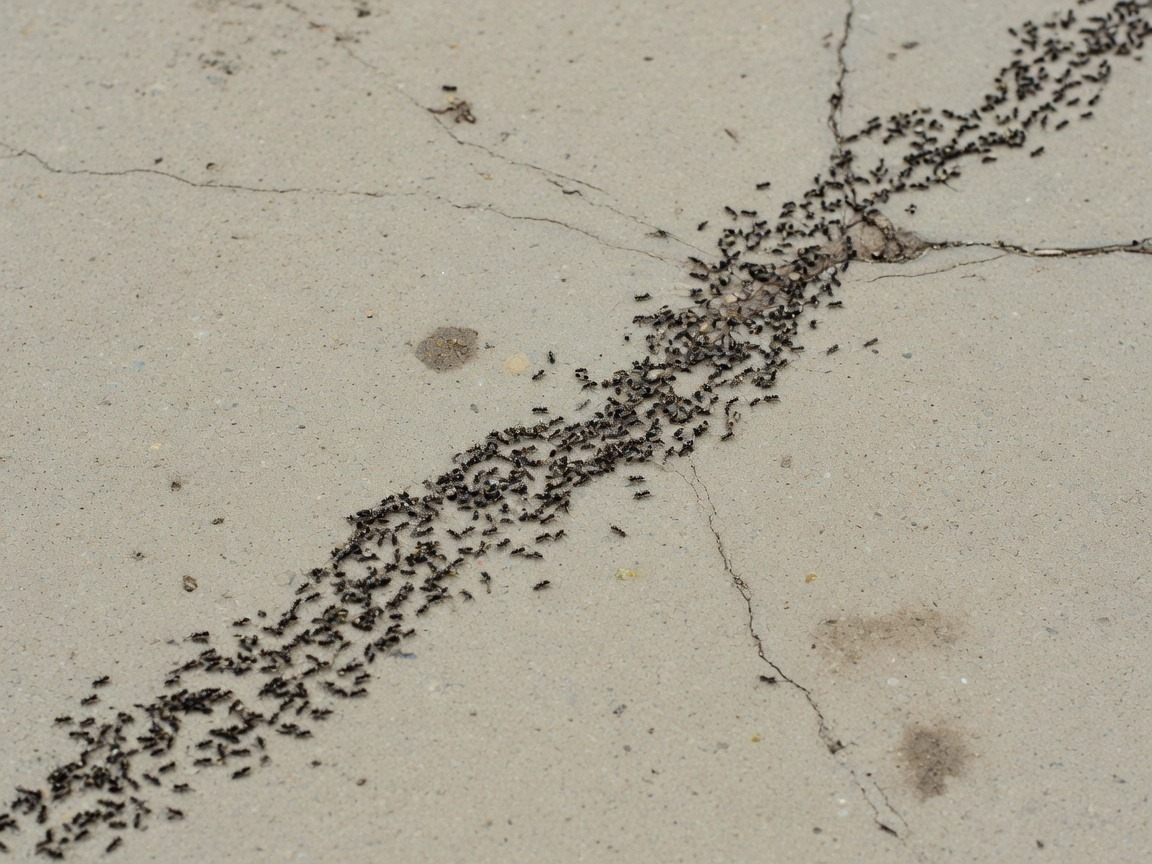
Homeowners sometimes picture a quarterly plan as a technician spraying the baseboards and leaving. A good one is more than that. Each visit starts with a quick inspection — checking entry points, looking for new activity, and catching problems like early termite or rodent signs before they grow. The exterior perimeter gets treated to maintain the barrier, spider webs and wasp starts get knocked down, and any specific concern you raise gets addressed. Over a year, that steady attention means small issues are caught and handled at the “one ant” stage instead of the “trail across the counter” stage. The value isn't just the chemical — it's having someone who knows your home watching it across the seasons.
Wondering if a plan makes sense for your home? Book a free inspection and we'll give you an honest recommendation — even if that's occasional service rather than a plan.
Dealing with this in your Dallas home?
A free inspection identifies the pest, the entry points and an exact quote — no obligation.