Booked a pest control treatment and wondering what you need to do beforehand? Good news: for most general services, prep is minimal, and much of the work happens outside. But a few simple steps help the treatment work better, keep your family and pets comfortable, and let the technician get to the areas that matter. Here's the practical rundown.
For a general pest treatment (the most common)
General exterior-and-interior service usually needs very little from you:
- Clear access to the perimeter of your home — move patio furniture, toys and trash cans away from the foundation, and unlock gates so the technician can treat all the way around.
- Pick up clutter along interior baseboards and under sinks if interior treatment is planned, so we can reach the cracks and voids where pests travel.
- Secure pets — put dogs and cats in a safe room or crate during treatment, and cover or move fish tanks and reptile enclosures (their air pumps should be off briefly if we're treating that room).
- Tell us about sensitivities — pregnancy, infants, asthma or chemical sensitivities so we can adjust the approach. See pest control and pregnancy.
For many exterior treatments, you don't even need to be home. Interior work is scheduled with you directly.
For rodent service
For rodent jobs, clear access to the attic, garage, crawl space and under-sink areas where we'll inspect for entry points and set traps. If you've been finding droppings, leave them for the inspection (photograph them if you like) rather than cleaning up first — they tell us where the rodents travel. And don't set out your own poison, which complicates the job and creates odor problems in walls.
For cockroach or ant service
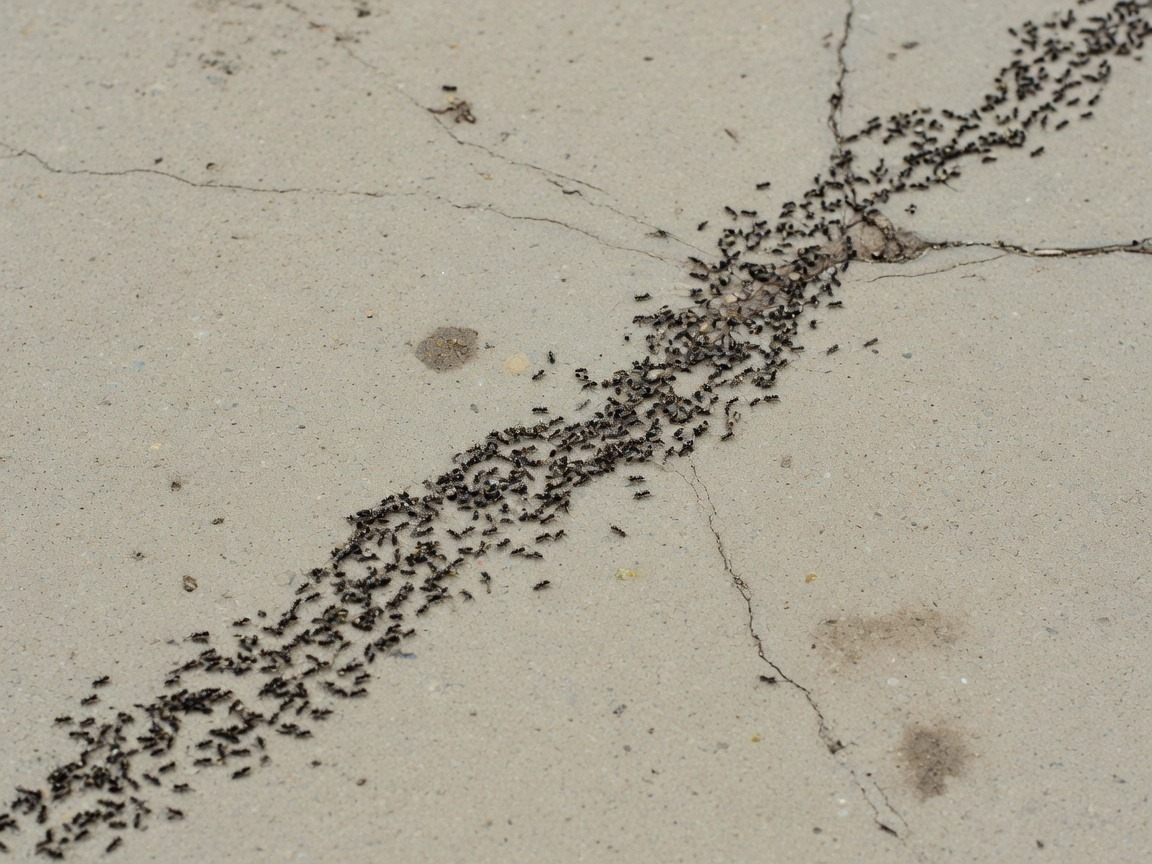
Because these are treated with baiting, the biggest thing to avoid is spraying store-bought products beforehand — repellent sprays contaminate surfaces and push pests away from the bait, undermining the treatment. Clean up food and grease (it competes with the bait), but hold off on the hardware-store spray. For German roaches, clearing under-sink and kitchen-cabinet clutter helps us reach the harborage.
For bed bug or heat treatment
These need more prep, and we'll give you a specific checklist — typically laundering and high-heat-drying bedding and clothing, decluttering, and ensuring access to all rooms and furniture. See bed bug control.
After the treatment
- Follow any re-entry timing we give you (for interior work that needs to dry).
- Hold off on mopping treated baseboards for a few days so the product keeps working.
- Don't be alarmed if you see more ant or roach activity for a day or two after baiting — that's them feeding on the bait and carrying it back to the colony. It's a good sign.
- Report anything that persists — re-service is part of a plan.
Quick answers
Do I need to leave my house during pest control?
Usually not for exterior work. For interior treatment, you and pets may need to be out of treated rooms briefly; we'll tell you exactly how long.
Should I clean before the technician comes?
Basic tidying helps us reach problem areas, but don't spray store-bought products before baiting treatments — it undermines the bait. And don't clean up rodent droppings before a rodent inspection.
Why am I seeing more bugs right after treatment?
A short-term increase after baiting is normal — pests are feeding and carrying bait back to the nest. Activity drops as the colony is eliminated.
What to have ready to tell your technician
The most useful prep isn't physical — it's information. Before the visit, jot down a few things so the technician can target the treatment: where you've seen activity (which rooms, which corners, indoors or out), when you notice it (day or night, after rain, seasonal), what you've already tried (any store-bought products used and where), and any sensitivities in the household — pregnancy, infants, pets, asthma or allergies. A five-minute walkthrough where you point out the trouble spots is worth more than any amount of cleaning, because it aims the treatment at the real problem instead of a generic once-over. If you've taken photos of pests, droppings or damage, have them ready to show.
Set expectations: one visit isn't always the whole job
A little mental prep helps too. Some problems — a light ant trail, an exterior barrier treatment — are largely resolved in one visit. Others, by their nature, take a planned sequence: German cockroaches and fleas need follow-up timed to their lifecycle, rodents need a trapping-and-sealing period, and bed bugs are a multi-step process. Knowing this up front means you won't be surprised when we recommend a follow-up or a plan rather than a one-and-done spray — that's what actually solving the problem looks like, not a sign it isn't working. We'll always tell you what to expect and when. See our pricing and plans guide.
Ready to book? Schedule a free inspection and we'll tell you exactly what (little) prep your specific treatment needs.
Dealing with this in your Dallas home?
A free inspection identifies the pest, the entry points and an exact quote — no obligation.