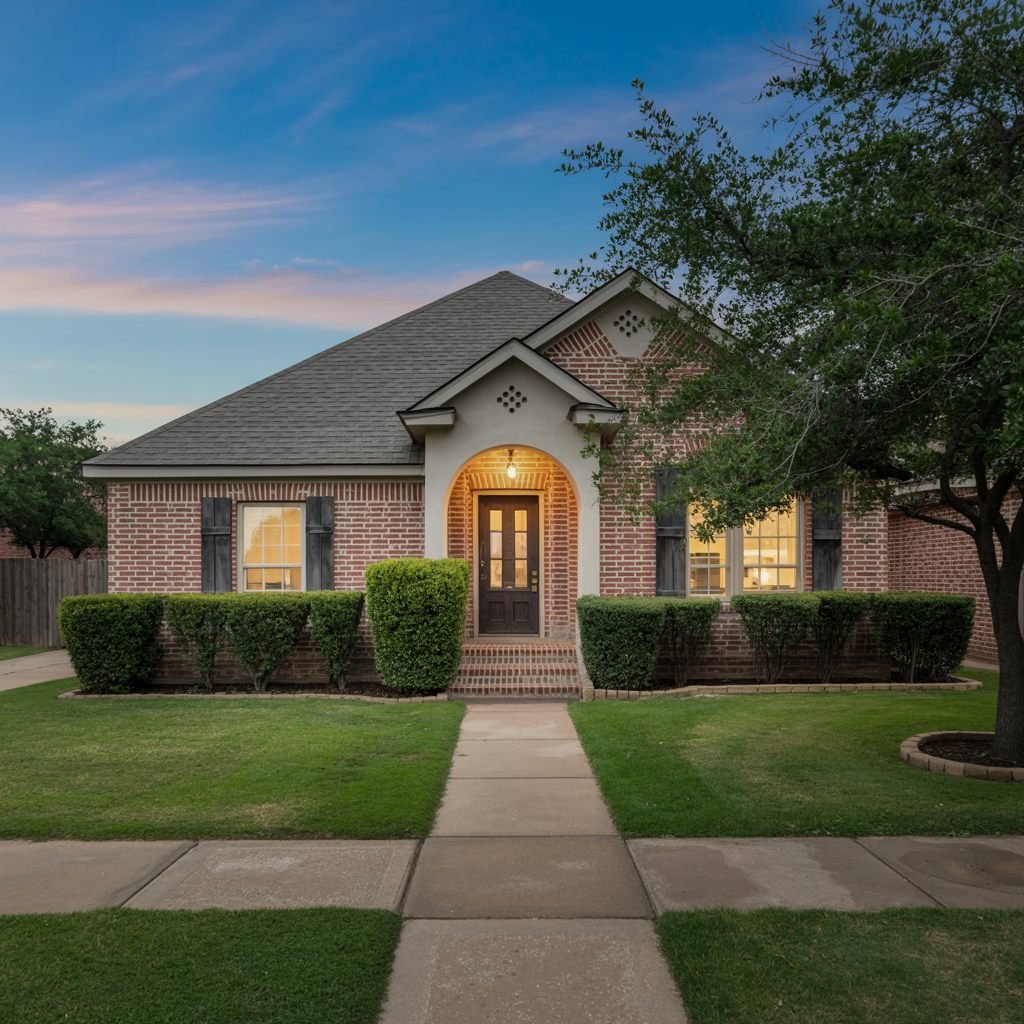
Lakewood, Oak Cliff and East Dallas are among Dallas's most characterful older neighborhoods — historic homes, mature trees, established streets. That character comes with a specific pest profile driven by older housing stock: decades-old foundations, aging exterior seals, and construction gaps that newer homes simply don't have.
Why older homes have more entry points
Older foundations settle and crack over time. Original weatherproofing, door sweeps and seals degrade. Additions built decades apart create junctions and gaps. The result is more ground-level and roofline rodent entry points than a new build — which is exactly why these neighborhoods see persistent rodent pressure. Mature tree canopy adds roof rat and squirrel access on top.
The older-wiring factor
Here's the stakes-raiser: older homes often have older electrical wiring, and rodents chew wiring constantly. Rodent-damaged wiring is a contributing factor in tens of thousands of house fires nationally each year — and in a home with aging wiring, that risk is higher. Prompt rodent control in these neighborhoods isn't just about the nuisance; it's a genuine fire-safety consideration.
Termites and older wood
Older homes also mean more aged, exposed wood — favorable to subterranean termites. Annual termite inspection is especially worthwhile in these neighborhoods, where a colony can work undetected in older framing.
Our approach for older homes
We inspect the specific vulnerabilities of older construction — settled foundations, aging seals, roofline gaps, original crawl spaces — and seal them properly rather than applying a generic new-home approach. Species-level rodent ID, exclusion, and quarterly protection. Book a free inspection and we'll assess your Lakewood or Oak Cliff home with the care older construction needs. Newer homes have different issues — see Frisco / Plano new builds.
Ready for a free inspection?
Tell us what you're seeing. A licensed technician identifies the pest and entry points and quotes an exact price — no obligation.
Other areas we serve
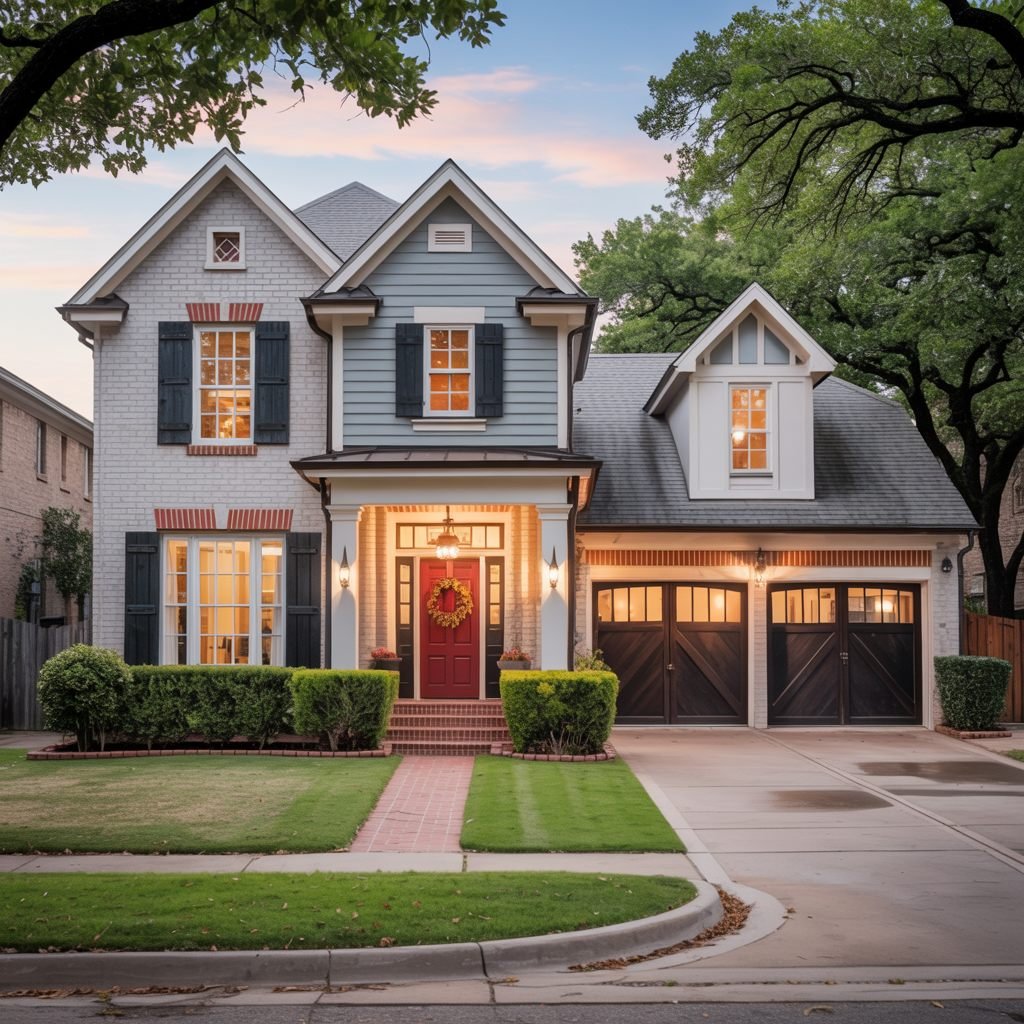
Plano
Plano spans established neighborhoods and newer brick-veneer builds — so the pest picture
Arlington
Arlington's mix of older and newer housing between Dallas and Fort Worth brings the full r

Fort Worth
Fort Worth spans historic districts and sprawling new development — meaning older-home rod

North Dallas
North Dallas's established, tree-lined neighborhoods are prime roof rat territory — canopy
Lake Dallas
Lake Dallas's proximity to water and wooded lots means heavier mosquito, rodent and wildli
Frisco / Plano New Builds
New-build homes look sealed but have a standard, commonly-missed gap: brick-veneer weep ho